The real estate market continues to evolve in 2026, and today’s buyers and sellers are paying attention to more than just price and location. One of the biggest drivers behind these changes is how buyers discover, imagine, and emotionally connect with homes—often before they ever schedule a showing.
Based on insights from buyer behavior and industry professionals, here are five real estate trends defining the 2026 housing landscape and what they mean if you’re planning to buy or sell.
1. Social Media Is Shaping Buyer Expectations
Social media has become a major source of inspiration for homebuyers. Platforms like Instagram, Pinterest, and TikTok expose buyers to design trends and features on a daily basis—and those visuals heavily influence what they hope to find in a home.
Popular features such as walk-in pantries, built-in shelving, statement lighting, and cozy outdoor spaces often gain traction online. At the same time, social media has empowered buyers to see potential rather than perfection. Many feel confident they can recreate or DIY features they love, which allows them to be more flexible when evaluating a home.
In short, buyers aren’t just shopping for what a home is—they’re imagining what it could become.
2. Flexible Layouts Matter More Than Square Footage
Bigger isn’t always better in 2026. Buyers are prioritizing homes that use space well over those that simply offer more of it.
Multi-purpose rooms, smart storage solutions, and layouts with good flow are highly desirable. While open floor plans remain popular, buyers now want balance—spaces that feel open but still provide privacy and quiet when needed.
With remote and hybrid work continuing to shape daily life, defined areas for offices, flex rooms, or dual primary suites are in high demand. Thoughtful design elements like room dividers, glass walls, area rugs, and layered lighting help create separation without closing off the home entirely.
Top layout features buyers want include:
-
Outdoor living extensions
-
Flex or bonus rooms
-
Zoned open floor plans
-
Smart storage solutions
-
Dual primary suites
3. Paint Color Can Make—or Break—a Sale
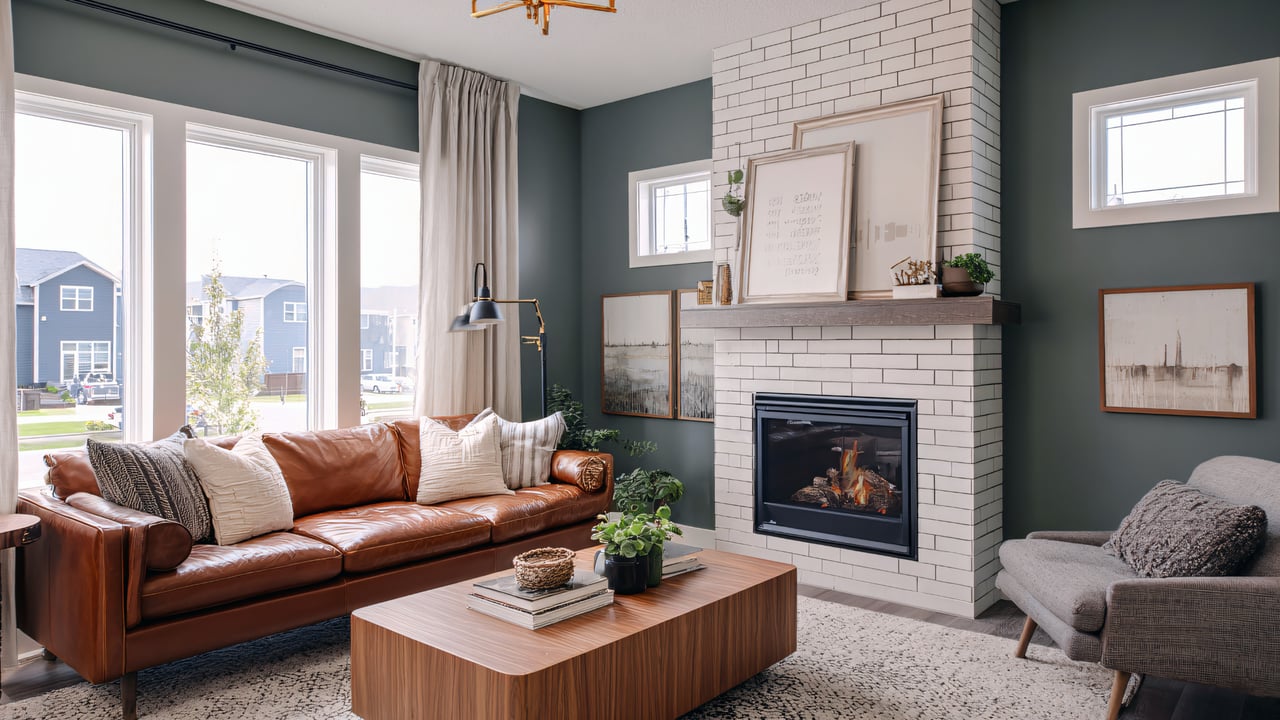
Color has a powerful influence on how buyers experience a home. In 2026, calming, neutral palettes remain the safest and most effective choice for selling.
Soft creams, warm grays, and light beiges help spaces feel open and relaxing while allowing buyers to envision their own style. Muted blues—especially soft coastal tones—continue to gain popularity for their ability to create a sense of calm and positivity. Earth-inspired hues like garden green, terra cotta, and warm browns are also resonating with buyers.
On the flip side, overly bold choices can hurt a sale. Bright neon colors, themed rooms, and highly personalized murals are major turnoffs for many buyers. When preparing to sell, neutralizing paint is one of the simplest and most impactful updates you can make.
4. The “Starter Home” Is No Longer Basic
The idea of a starter home has changed dramatically. Instead of settling for outdated or bare-bones spaces, today’s buyers expect even entry-level homes to feel intentional and lifestyle-friendly.
Flexible floor plans, smart storage, updated finishes, and thoughtful design are now high on the priority list. But more than anything, buyers are looking for an emotional connection. A home that feels welcoming, functional, and aligned with daily life is far more appealing than one that simply checks size or price boxes.
Smaller homes with good light, efficient layouts, and cozy outdoor areas are often more desirable than larger spaces without character.
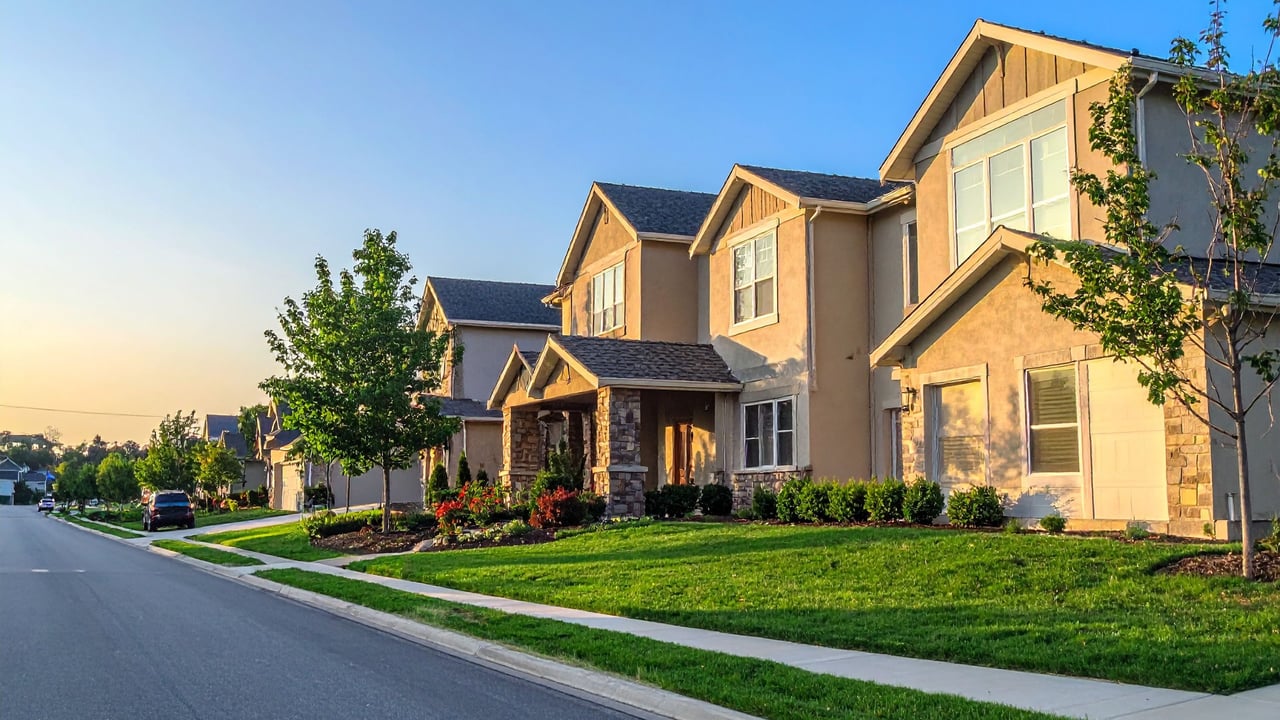
5. Curb Appeal Sets the Tone
First impressions matter more than ever. Nearly half of buyers say they’ll lose interest if a home doesn’t feel right as soon as they arrive.
Curb appeal starts outside with sustainable, low-maintenance landscaping, native plants, inviting porches or patios, and modern exterior details. Features like EV charging stations or outdoor seating areas can instantly elevate a home’s appeal.
The entryway is just as important. A freshly painted front door, clean hardware, updated house numbers, and simple planters can make a powerful difference. These small touches signal care, quality, and pride of ownership—setting the stage for a positive showing experience.
What This Means for Buyers
-
Look beyond square footage. Homes that feel functional, adaptable, and well-designed often deliver more long-term satisfaction than larger spaces with inefficient layouts.
-
Think in terms of potential. Inspired by social media, many buyers are comfortable making cosmetic updates over time. Focus on homes with good bones, natural light, and flexible rooms.
-
Pay attention to first impressions. From paint colors to curb appeal, emotional connection matters. Trust how a home makes you feel when you walk through the door.
What This Means for Sellers
-
Presentation is everything. Neutral paint, clean lines, and thoughtful staging help buyers imagine themselves living in the space.
-
Highlight flexibility. Showcase flex rooms, home office options, storage solutions, and outdoor spaces in your marketing.
-
Don’t overlook the exterior. Curb appeal and entryway details often shape a buyer’s opinion before they ever step inside.
The real estate trends of 2026 point to one clear takeaway: buyers are shopping with both logic and emotion. Homes that balance function, flexibility, and visual appeal stand out in a competitive market.
Whether you’re buying or selling, understanding these trends allows you to make more informed decisions—and create a home experience that resonates long after the first showing.