Winter can be beautiful, but it can also be tough on your home. From frozen pipes to ice dams and drafty windows, the colder months can quickly turn small maintenance issues into expensive repairs. Proper winterization helps safeguard your home, keeps energy costs down, and ensures your space stays safe and comfortable. Unfortunately, many homeowners overlook key steps, leaving themselves vulnerable to preventable damage.
Here are the top ten winterization mistakes homeowners make—and how to avoid them.
1. Ignoring Gutter Maintenance
Clogged gutters are one of the leading causes of winter damage. Leaves and debris can trap water, causing ice dams and leaks that damage your roof, siding, and foundation. Cleaning gutters and checking downspouts before the first freeze helps water flow away from your home, protecting it from costly repairs.
2. Skipping Insulation Checks
Inadequate insulation in attics, basements, and crawl spaces can cause heat loss, higher energy bills, and frozen pipes. Many homeowners neglect to check insulation levels or seal gaps where warm air escapes. Proper insulation keeps your home cozy and prevents winter-related damage.
3. Failing to Seal Drafts
Drafty doors and windows are not only uncomfortable—they’re costly. Cold air sneaking in forces your heating system to work harder. Check for leaks and gaps around windows, doors, and vents, and use weather stripping or caulk to seal them. Even small improvements can make a noticeable difference.
4. Overlooking Furnace and HVAC Maintenance
A neglected furnace or HVAC system can fail during the coldest days, leaving you in the cold and creating expensive repair bills. Schedule a professional inspection, replace filters, and ensure your system is running efficiently before winter arrives.
5. Not Protecting Pipes from Freezing
Frozen pipes are a common winter nightmare. Homeowners often forget to insulate exposed pipes in basements, attics, and crawl spaces. In extreme cold, water expands when it freezes, leading to bursts that cause flooding and major damage. Pipe insulation, heat tape, and letting faucets drip slightly can prevent these issues.
6. Ignoring Roof and Attic Issues
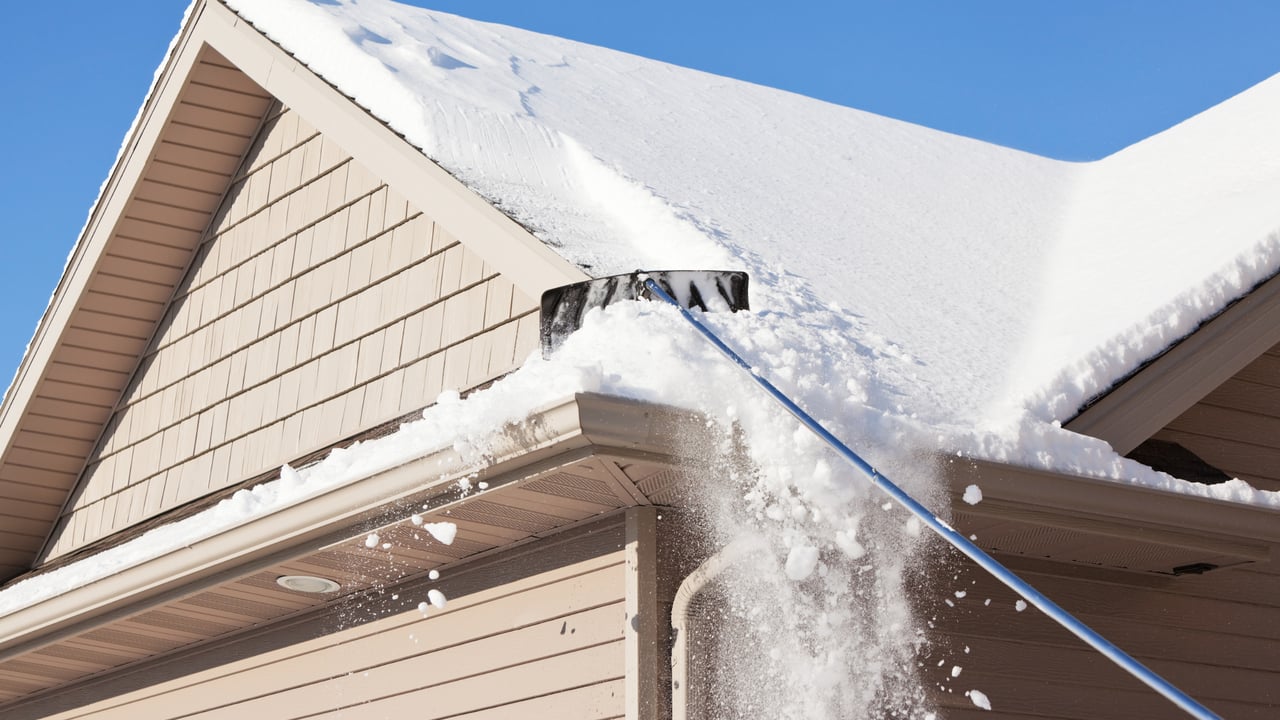
Ice dams, leaks, and roof damage can result from overlooked roof problems. Inspect shingles, flashing, and attic ventilation before winter. Adequate ventilation prevents ice buildup and protects both your roof and the interior of your home.
7. Forgetting Outdoor Equipment and Landscaping
Winterizing isn’t just about the inside of your home. Sprinkler systems, outdoor faucets, and garden hoses should be drained or stored to prevent freezing. Trim overhanging tree branches that could break under snow, and secure patio furniture to avoid damage.
8. Neglecting Chimney and Fireplace Maintenance
If you have a fireplace, skipping annual chimney cleaning and inspection is risky. Creosote buildup and cracks can lead to dangerous fires or carbon monoxide exposure. A professional cleaning ensures safe and efficient use throughout the season.
9. Overlooking Safety Equipment
Winter weather brings slips, falls, and potential emergencies. Failing to check smoke detectors, carbon monoxide alarms, and fire extinguishers is a costly mistake. Ensure they’re functioning properly and easily accessible.
10. Procrastinating Winter Preparation
Finally, many homeowners wait too long to winterize, often until the first snowstorm arrives. Procrastination can mean rushed fixes, missed inspections, and higher repair costs. Start preparations early—ideally in late fall—to avoid last-minute emergencies.
Final Thoughts
Winter can be harsh, but with careful planning and attention to detail, you can protect your home from costly repairs. From gutters to insulation, pipes to safety equipment, avoiding these common winterization mistakes helps keep your home safe, warm, and energy-efficient.
Being proactive now can save you money, stress, and potential damage later. If you’re unsure where to start or want a checklist tailored to your home, we're here to guide you through the winterization process step by step.