Summer always seems to disappear quickly in Michigan.
One week you're spending evenings outside and keeping the air conditioning running, and before long, mornings are cooler, leaves are beginning to change, and you're wondering whether it's already time to turn the heat on.
That transition makes August an especially useful month for homeowners.
There's still enough warm weather to comfortably tackle exterior projects, but fall is close enough that it's worth preparing for what's ahead. Taking care of a handful of maintenance items now can also help prevent minor problems from becoming more expensive ones during the colder months.
You don't need to completely overhaul your house before September. Instead, focus on the areas most affected by changing weather.
1. Take a Walk Around Your Home's Exterior
One of the easiest places to begin is with a simple walk around your property.
Look closely at the siding, trim, foundation, windows, doors, and other exterior surfaces. You're primarily looking for anything that has changed over the summer or could allow moisture into the home.
Watch for things like:
- Peeling or damaged paint
- Cracked or loose siding
- Gaps around windows and doors
- Cracks in concrete or the foundation
- Damaged exterior caulking
- Signs of moisture
- Loose railings or steps
- Areas where water collects near the house
Small exterior problems are generally easier to address while the weather is still warm and dry.
Pay particular attention to areas where two different materials meet, such as around windows, doors, vents, and utility penetrations. These are common places for seals to deteriorate over time.
2. Inspect Your Roof Before Winter
You don't necessarily need to climb onto your roof to give it a basic inspection.
From the ground—or from a safe vantage point—look for obvious signs of damage such as missing, lifted, curling, or damaged shingles.
You should also look around the property after storms for roofing material that may have fallen into the yard.
Inside the home, check the attic and ceilings for signs of previous water intrusion. Water stains, discoloration, unusual odors, or damp insulation can indicate a problem worth investigating.
Michigan roofs experience everything from intense summer sun to heavy snow and ice. Addressing a questionable area before winter can be considerably easier than discovering a leak in January.
If something looks concerning, having a professional inspect it before colder weather arrives may be worthwhile.
3. Clean Your Gutters and Check Your Downspouts
Your gutters are about to get much busier.
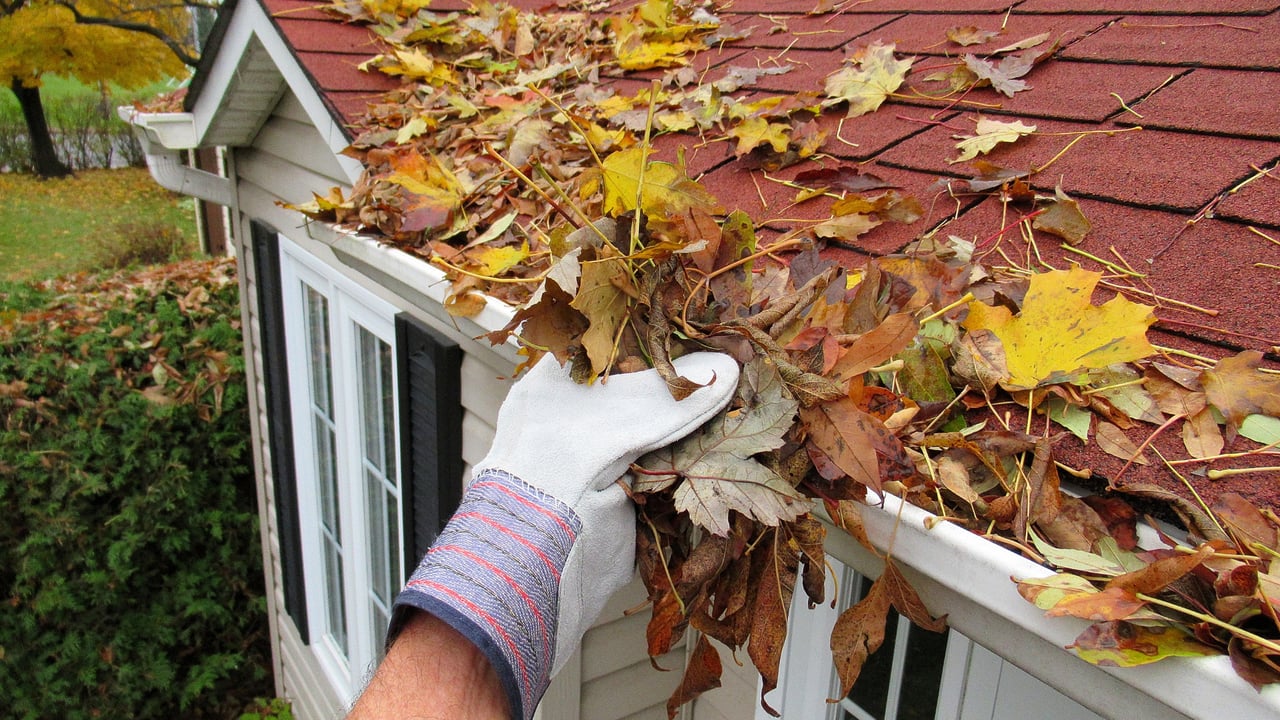
As leaves begin falling throughout West Michigan, gutters can quickly fill with debris. When water can't flow properly, it may overflow near the roofline or collect around the home's foundation.
Start the season with clean gutters.
While you're inspecting them, check for sections that are loose, sagging, damaged, or pulling away from the house.
Don't forget the downspouts.
Water should be directed away from your foundation rather than emptying immediately next to it. Take a look during or shortly after a rainstorm and see where the water actually goes.
You'll probably need to clean your gutters again after the majority of leaves have fallen, but taking care of existing buildup now gives you a better starting point.
4. Check Windows and Exterior Doors for Drafts
August is also a good time to inspect the seals around windows and exterior doors.
Caulk and weatherstripping don't last forever. Exposure to moisture, sunlight, and changing temperatures can eventually cause them to crack, shrink, or separate.
Look for visible gaps around frames and deteriorating caulk on the exterior.
Inside, check that windows close and lock correctly and that exterior doors create a solid seal.
These might seem like small details during summer, but you'll appreciate having addressed them when Michigan temperatures start dropping.
A better-sealed home can also make it easier for your heating and cooling system to maintain a comfortable indoor temperature.
5. Give Your HVAC System Some Attention
Your air conditioner may still be doing most of the work in August, but heating season isn't far away.
Replace or clean your HVAC filter according to the manufacturer's recommendations and make sure vents throughout the home aren't blocked by furniture, rugs, or other objects.
This is also a convenient time to consider scheduling your furnace or heating-system maintenance.
Waiting until the first genuinely cold week of the year means you'll be calling at the same time as plenty of other homeowners.
Scheduling maintenance earlier gives you an opportunity to identify potential issues before you actually need the system every day.
If you use a programmable or smart thermostat, review your schedule as well. Your preferred temperatures and routines may change once summer ends.
6. Prepare Your Landscaping for Fall
Your landscaping needs some end-of-season attention, too.
Walk around your yard and identify dead or damaged tree branches, especially those hanging over the roof, driveway, vehicles, or utility areas.
Strong winds, heavy snow, and ice can turn a weak branch into a much larger problem.
Trim plants where appropriate, pull weeds before they have another opportunity to spread, and clean up overgrown garden beds.
August is also a good time to think ahead about leaf management.
Where do leaves tend to accumulate on your property? Are your rakes, bags, bins, or other tools ready? A little preparation makes the inevitable fall cleanup much less frustrating.
7. Inspect Your Driveway, Walkways, and Steps
Small cracks in concrete or asphalt are easy to ignore during summer.
Winter can make them harder to ignore.
Water can enter cracks, freeze as temperatures drop, and contribute to additional deterioration. Inspect your driveway, sidewalks, patio, and exterior steps for damage.
Also check handrails and porch railings to make sure they're secure.
Once snow and ice arrive, stable walking surfaces and railings become especially important.
You don't necessarily need to repair every cosmetic imperfection, but areas that could become safety concerns or allow significant water intrusion deserve attention.
8. Clean and Organize the Garage
Your garage is probably going to look very different in a few months.
Lawn equipment and summer gear will gradually make room for snow shovels, ice melt, winter tools, and possibly a snowblower.
August provides a good opportunity to reorganize before everything gets switched around.
Dispose of items you no longer need, organize tools, clean the floor, and determine where seasonal equipment will be stored.
You can also use this opportunity to inspect your garage door.
Make sure it opens and closes smoothly, check the weather seal along the bottom, and confirm that the safety-reversal features are operating correctly according to the manufacturer's instructions.
9. Test Smoke and Carbon Monoxide Detectors
Home maintenance isn't only about protecting the structure itself.
Test your smoke and carbon monoxide detectors and replace batteries when necessary.
As homes become more closed up during colder months and heating systems begin operating regularly, it's particularly important that these devices are functioning properly.
Check the manufacturer's information to determine the recommended replacement schedule for the detectors themselves. Even if a device still makes noise when tested, it may eventually need to be replaced due to age.
It's a small task that can easily be added to your seasonal maintenance routine.
10. Take Care of the Projects You've Been Putting Off
Remember that small project you said you'd get to sometime this summer?
August might be the time.
Maybe it's touching up exterior paint. Maybe there's a loose deck board you've walked over for three months. Maybe a screen needs repairing or an outdoor faucet has developed a slow leak.
Individually, these projects aren't particularly significant. Collectively, however, deferred maintenance can begin to add up.
Make a list and choose a few realistic projects you can complete before fall.
Don't worry about getting everything perfect. Prioritize anything related to water intrusion, safety, heating, or weather protection first.
11. Start Putting Summer Equipment Away
You don't need to pack up summer completely, but you can begin thinking about what needs to happen before freezing temperatures arrive.
Eventually, that may include:
- Cleaning and storing outdoor furniture
- Putting away garden hoses
- Preparing outdoor faucets for freezing temperatures
- Cleaning gardening tools
- Storing seasonal decorations
- Preparing lawn equipment for storage
- Cleaning grills and outdoor cooking areas
Exactly when you complete these tasks will depend on the weather and how long you plan to continue using everything.
The important part is having a plan before the first unexpectedly cold night arrives.
12. Do an Indoor Maintenance Check, Too
It's easy to focus entirely on the exterior when preparing for fall, but spend some time inside as well.
Walk through areas you don't inspect regularly, including your basement, attic, utility room, and storage areas.
Look for anything unusual.
Check beneath sinks for slow leaks. Look around appliances that use water. Pay attention to musty smells, moisture, staining, or other changes.
You can also use this time to clean dryer vents and exhaust fans, vacuum refrigerator coils when applicable, and take care of other manufacturer-recommended appliance maintenance.
These aren't necessarily "fall" projects, but attaching them to a seasonal checklist makes them easier to remember.
A Little Maintenance Now Can Make Fall Easier
Preparing your home for fall doesn't need to become an enormous weekend project.
Start with an inspection.
Walk around the property, make a list of what needs attention, and separate it into three categories: things that need to happen now, things that can wait until later in the fall, and things that may require a professional.
Then work through the list gradually.
Michigan homeowners know how quickly the seasons can change. Taking advantage of the final stretch of summer gives you time to address problems while the weather is still cooperative—and lets you head into fall knowing your home is a little more prepared for what's coming.
And if you're considering selling your home this fall or winter, these maintenance projects can serve another purpose. Addressing deferred maintenance before listing can help your property make a stronger first impression and reduce the number of small issues buyers notice when they walk through.
A well-maintained home isn't just about preparing for the next season. It's about protecting the place you call home throughout every season.