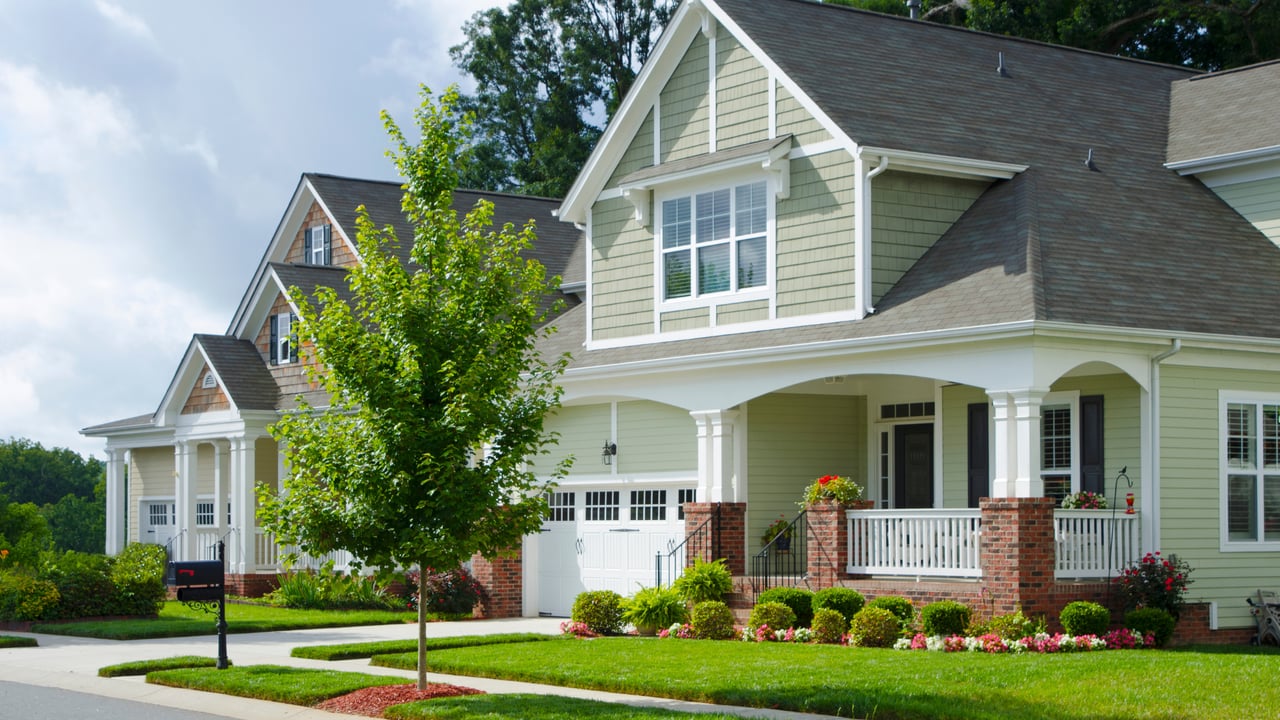
Buying a home isn’t just about the property itself—it’s also about where that home is located. You can change paint colors, renovate kitchens, and update finishes, but you can’t change your neighborhood. That’s why choosing the right area is one of the most important decisions you’ll make when buying a home.
Many buyers focus on what works right now, but the best decisions are made with the future in mind. A neighborhood that fits your lifestyle today should also support your needs several years down the road. Taking time to evaluate key factors such as location, amenities, growth potential, and overall feel can help ensure you choose a place you’ll truly enjoy long-term.
1. Start With Your Daily Lifestyle
The best neighborhood for you is one that supports how you actually live day-to-day. Think about your routine and what matters most to you.
If you value convenience, being close to work, grocery stores, and restaurants may be a priority. If you prefer quiet surroundings, you may lean toward residential areas with less traffic and noise. For some buyers, walkability and access to parks or trails are essential, while others may prioritize privacy and space.
Choosing a neighborhood that aligns with your lifestyle reduces daily stress and makes your home more enjoyable over time.
2. Consider Your Commute and Accessibility
Location plays a major role in your long-term satisfaction, especially when it comes to commuting. A home that seems perfect can quickly become frustrating if daily travel is inconvenient.
Think about how long it takes to get to work, school, or frequently visited places. Test the commute during peak hours if possible. Also consider access to major roads, highways, or public transportation.
Over time, a manageable commute can significantly improve your quality of life, while a difficult one can become a daily burden.
3. Research Schools—Even If You Don’t Have Kids
School districts often influence property values and overall neighborhood demand. Even if you don’t currently have children, buying in a well-regarded school district can be beneficial long-term.
Homes in strong school districts tend to hold their value better and may be easier to sell in the future. This makes school quality an important factor not just for lifestyle, but also for long-term investment.
4. Evaluate Future Growth and Development
A neighborhood that works today should also have positive growth potential. Research planned developments, new businesses, infrastructure projects, and overall trends in the area.
For example, new shopping centers, schools, or road improvements can increase property values and improve convenience. On the other hand, large developments or zoning changes could impact traffic, noise, or the overall feel of the neighborhood.
Understanding where an area is headed helps you make a more informed long-term decision.
5. Visit the Neighborhood at Different Times
A neighborhood can feel very different depending on the time of day or day of the week. Visiting multiple times gives you a more accurate sense of what living there will be like.
Drive through in the morning, afternoon, and evening. Pay attention to traffic patterns, noise levels, and overall activity. A quiet street during the day might be much busier at night, or vice versa.
Spending time in the area helps you move beyond first impressions and make a more confident choice.
6. Pay Attention to Safety and Overall Upkeep
While no neighborhood is perfect, it’s important to feel comfortable and secure in your surroundings. Look at how well homes and public spaces are maintained.
Clean streets, maintained properties, and active community involvement often indicate a stable and desirable neighborhood. You can also review local crime data and talk to residents to get a better understanding of the area.
Feeling safe and comfortable in your environment is essential for long-term satisfaction.
7. Think About Resale Value
Even if you plan to stay in your home for many years, it’s smart to think ahead about resale. Market conditions and personal circumstances can change, so choosing a neighborhood with broad appeal is important.
Look for areas with consistent demand, good location, and strong amenities. Avoid highly unique or overly niche neighborhoods that may limit your buyer pool later.
A neighborhood that appeals to a wide range of buyers helps protect your investment over time.
8. Get a Feel for the Community
Beyond the physical features, a neighborhood’s overall atmosphere plays a big role in how much you’ll enjoy living there.
Take time to observe how people interact, whether neighbors are outside, and if the area feels welcoming. Visit local shops, parks, or community spaces to get a sense of the environment.
Some neighborhoods are more social and active, while others are quieter and more private. Choosing a community that matches your preferences helps you feel at home long-term.
Choosing the right neighborhood is about more than just location—it’s about finding a place that fits your lifestyle, supports your future plans, and feels right on a daily basis.
By considering factors like commute, schools, growth potential, safety, and community feel, you can make a more informed decision that goes beyond the home itself.
A well-chosen neighborhood not only improves your quality of life but also protects your investment over time. Taking the time to evaluate your options carefully can help ensure you choose a place you’ll be happy to call home for years to come.