For the better part of three years, the rent-versus-buy debate seemed all but settled. Elevated mortgage rates and rapidly rising home prices pushed homeownership out of reach for many Americans, leaving renting as the more practical choice for a large segment of the population.
But 2026 is bringing new dynamics to the housing market. While interest rates remain volatile, inventory is gradually returning, affordability varies significantly by market, and buyers have more options than they've seen in years. As a result, the question isn't simply whether buying is cheaper than renting. It's whether buying aligns with your financial goals, lifestyle, and timeline.
The truth is that neither renting nor buying is universally better. Both come with advantages, tradeoffs, and opportunity costs. Understanding those factors can help you make a decision based on your circumstances—not social pressure or outdated rules of thumb.
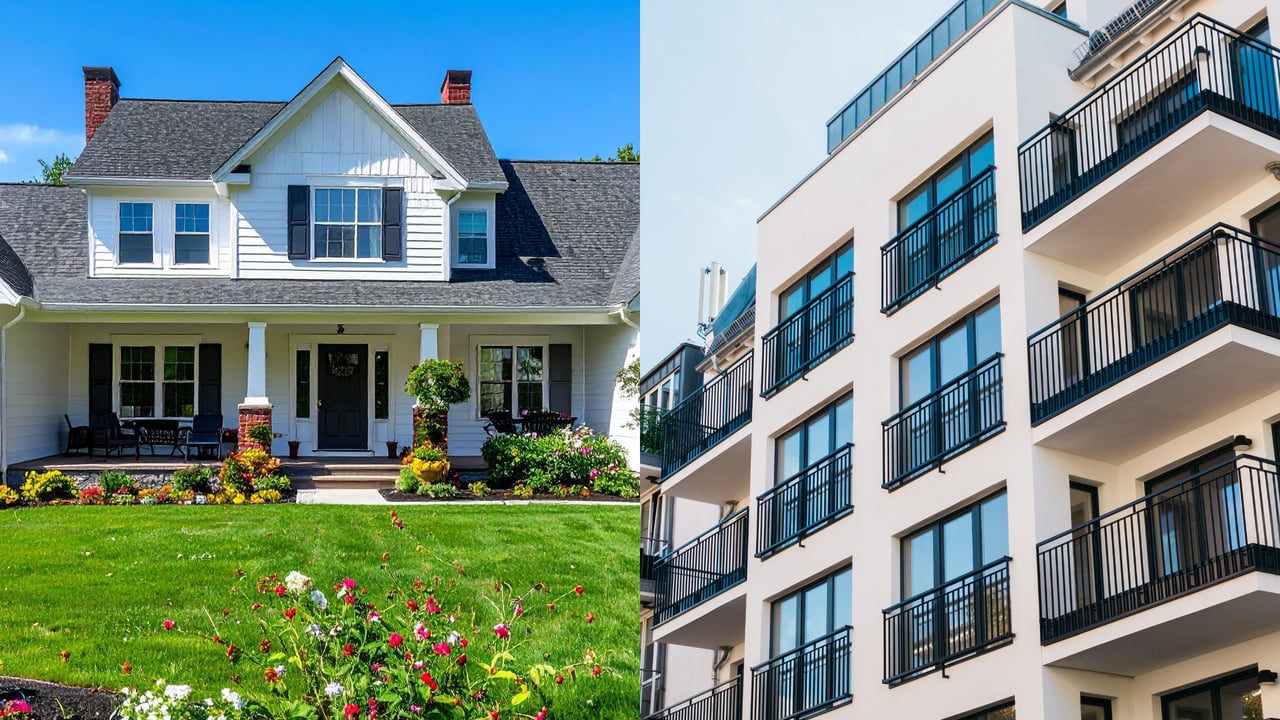
Renting
The Pros
Renting offers something homeownership can't easily match: flexibility. A lease is a relatively short-term commitment. If your job changes, your relationship changes, or you simply want to live somewhere new, you can move without the financial and logistical burden of selling a property.
You're also largely insulated from major repair costs. A failed furnace, leaking roof, or broken water heater is typically your landlord's responsibility—not yours. Since you're not tying up tens of thousands of dollars in a down payment, your capital remains liquid and available for investing, building an emergency fund, paying off debt, or pursuing other financial goals.
The Cons
Renters build no equity through their monthly housing payments. Every rent check goes toward housing expenses without creating ownership in an asset. You're also vulnerable to rent increases, limited by lease terms, and may have restrictions regarding renovations, pets, or customization.
Long-term, renters don't benefit directly from home appreciation. If property values rise substantially over time, that wealth creation belongs to property owners, not tenants.
Who Renting Tends to Suit
Renting often makes sense for people who:
- Expect to move within the next few years
- Are still establishing their career or family plans
- Value flexibility and mobility
- Prefer not to handle maintenance responsibilities
- Live in markets where home prices significantly outpace rents
- Need to preserve cash reserves and liquidity
Buying
The Pros
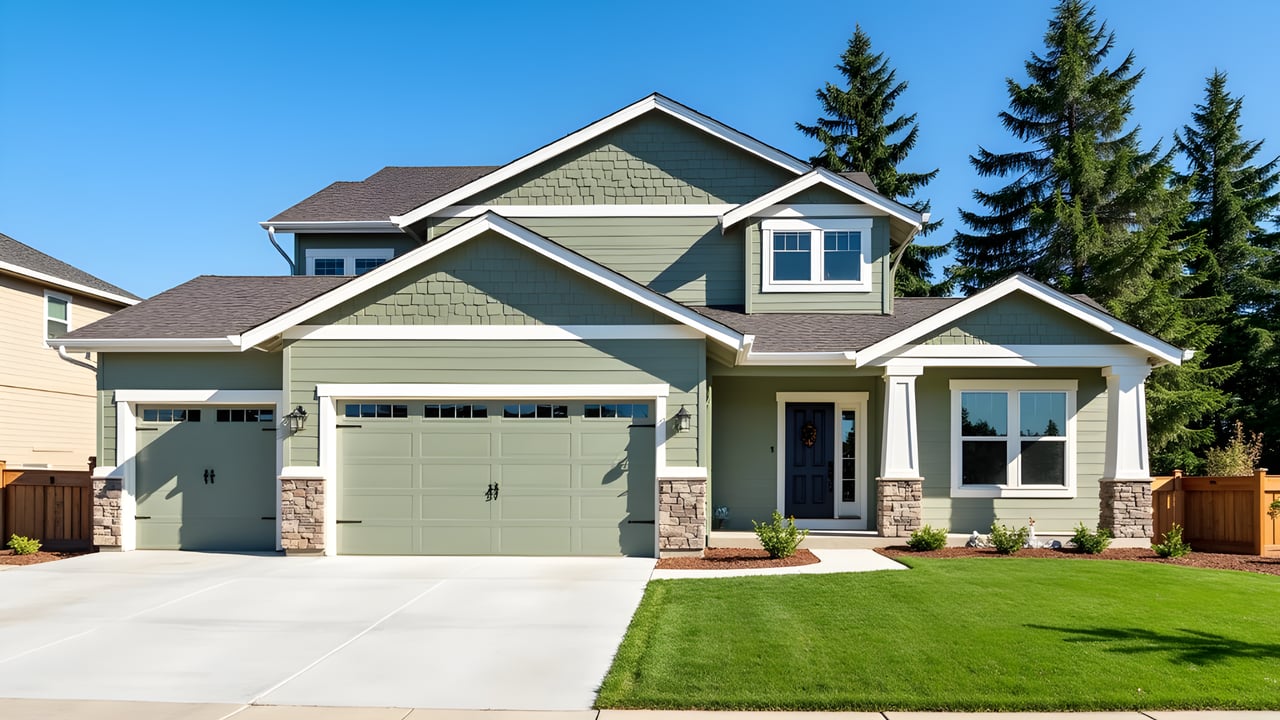
Homeownership allows you to build equity over time. A portion of every mortgage payment reduces your loan balance, increasing your ownership stake in the property. If home values appreciate, you benefit directly from that growth.
Ownership also provides stability. A fixed-rate mortgage can lock in a significant portion of your housing costs for decades, providing protection against rising rents. Beyond the financial benefits, ownership offers freedom to renovate, personalize, and establish deeper roots within a community.
The Cons
The costs of buying extend well beyond the monthly mortgage payment. Down payments, closing costs, inspections, moving expenses, property taxes, insurance, and ongoing maintenance all contribute to the total cost of ownership.
Homeownership also reduces liquidity. A large portion of your net worth may become concentrated in a single asset that's expensive and time-consuming to sell. If you need to relocate unexpectedly, transaction costs can quickly erase years of equity growth.
Who Buying Tends to Suit
Buying often makes sense for people who:
- Have stable employment and income
- Possess an adequate emergency fund
- Plan to stay in the area for several years
- Are financially prepared for maintenance and repairs
- Want long-term housing stability
- Value having greater control over their living environment
The Hidden Factor: Opportunity Cost
Most people compare renting and buying by looking at monthly payments. That's only part of the equation.
Every dollar used for a down payment is a dollar that cannot be invested elsewhere. A buyer who puts $60,000 or $100,000 into a home isn't simply spending that money—they're sacrificing potential returns those funds could generate in stocks, businesses, retirement accounts, or other investments.
At the same time, homeowners often benefit from forced savings through mortgage principal reduction and potential appreciation. Renters maintain liquidity but must be disciplined enough to invest the difference if they want to build comparable wealth.
The question isn't which option builds wealth. The question is which option is more likely to build wealth given your habits, goals, and market conditions.
When Do You Know You're Ready to Buy?
Buying a home should be driven by readiness—not by age, pressure from family, or fear of missing out.
You may be ready when:
- Your income is stable and predictable
- You have an emergency fund separate from your down payment
- You can comfortably afford the monthly payment
- You expect to remain in the area for several years
- You have a clear understanding of the responsibilities of ownership
Qualifying for a mortgage and being financially prepared for homeownership are not always the same thing.
Why 5% Down Works in Some Markets—and 20% Down Works in Others
One of the biggest misconceptions in real estate is that a 20% down payment is always the smartest financial move.
In some markets, putting 5% down allows buyers to enter the market sooner, preserve cash reserves, and begin building equity while home values continue appreciating. If ownership costs are close to local rents, the break-even timeline can arrive surprisingly quickly—even with private mortgage insurance (PMI).
In other markets, however, higher home prices, slower appreciation, elevated property taxes, and expensive insurance costs can make ownership significantly more expensive than renting. In those situations, a larger down payment may help reduce monthly costs and improve the financial case for buying.
That's why national averages can be misleading. The numbers that work in one city may not work in another. Real estate is local, and so is the rent-versus-buy calculation.
The Bottom Line
There is no universally correct answer in the rent-versus-buy debate.
The right choice depends on your finances, your career plans, your local housing market, and your personal goals. Buying a home can be a powerful wealth-building tool and a source of stability, but it isn't always the best financial move. Likewise, renting isn't wasted money if it provides flexibility, preserves liquidity, and supports your broader financial objectives.
The smartest decision is the one that aligns with your life—not the one someone else tells you is right.
Thinking about buying but not sure whether the numbers work in your favor? Reach out today to discuss your goals and explore what makes the most sense for your situation.