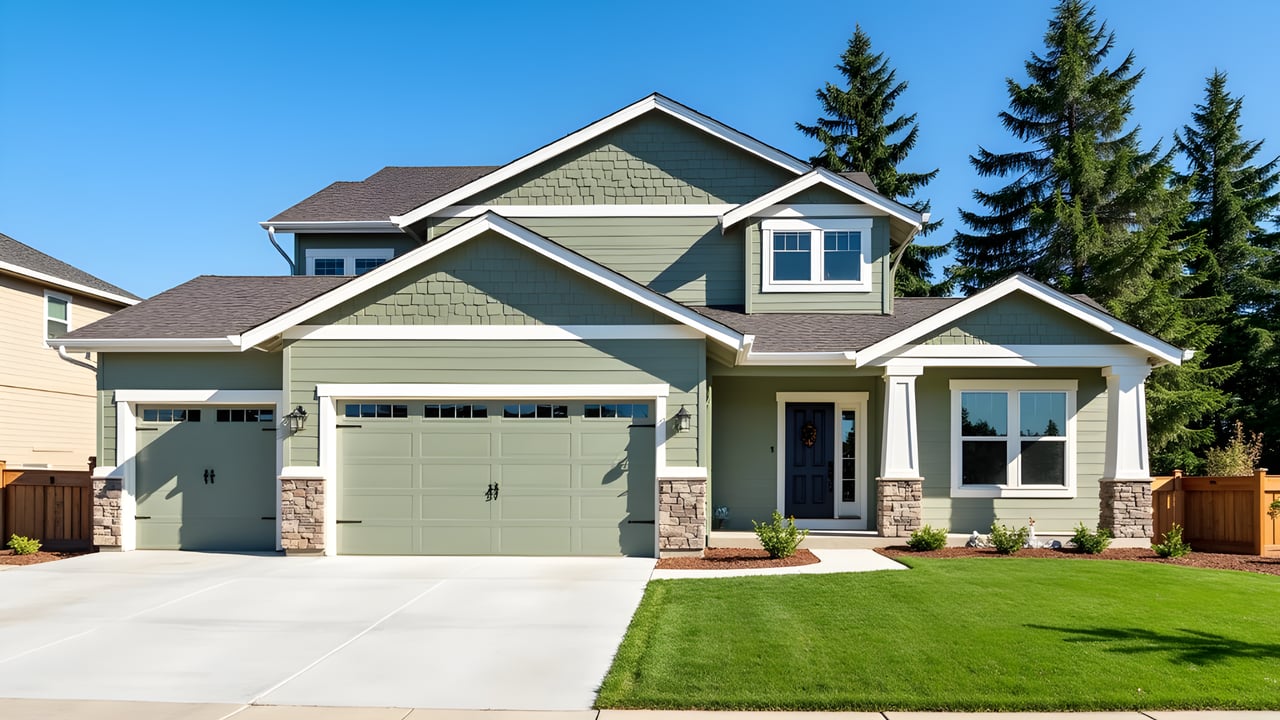
A home can look nearly perfect during a showing. The kitchen may be updated, the floors may look new, the walls are freshly painted, and everything appears ready for move-in. But many of the most important parts of a house aren't things you can fully evaluate during a 30-minute tour.
An aging furnace may still be running. A small stain in the basement could point to a recurring moisture problem. Missing roof shingles may be difficult to see from the ground. An electrical issue might not become apparent until someone takes a closer look at the panel and accessible components.
That's where a home inspection becomes important.
A home inspection gives buyers an opportunity to learn more about the condition of a property before completing the purchase. It isn't designed to tell you whether a house is "good" or "bad." Instead, it provides information that can help you understand what you're buying, identify potential concerns, and prepare for repairs or maintenance that may be necessary after you become the owner.
What Is a Home Inspection?
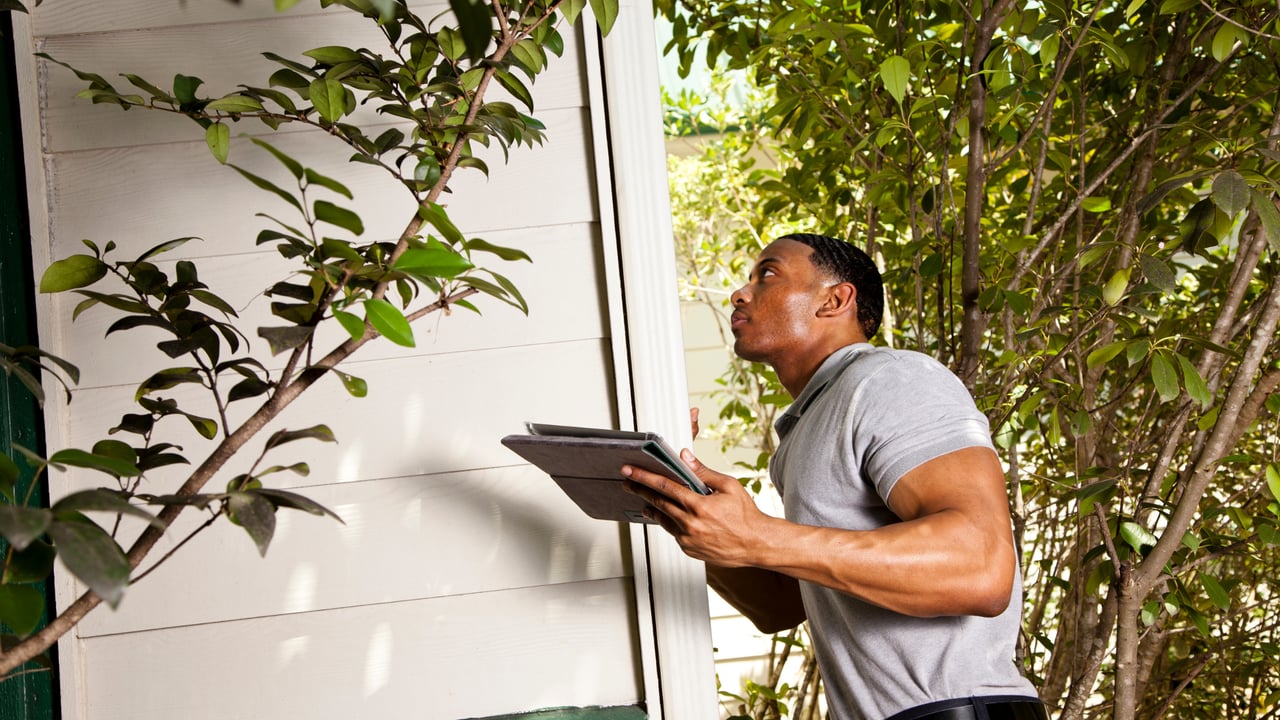
A home inspection is a professional evaluation of a property's visible and accessible systems and components. After an offer is accepted, a buyer will commonly hire a professional home inspector to examine the property and document their observations.
The inspector looks for existing problems, potential safety concerns, signs of damage, maintenance needs, and conditions that may require additional evaluation. After the inspection, the buyer typically receives a written report explaining what the inspector observed.
The important distinction is that an inspection is primarily an information-gathering process. An inspector isn't there to decide whether you should purchase the property. Instead, the findings give you a better understanding of the home's condition so you can decide how comfortable you are moving forward.
Why Is a Home Inspection Important?
Buying a house is a major financial commitment, yet most buyers spend relatively little time inside a property before deciding to make an offer.
During a showing, you're probably paying attention to the layout, bedrooms, kitchen, backyard, storage, and whether the home feels right. You probably aren't examining the electrical panel, looking closely at attic ventilation, testing every accessible fixture, or searching unfinished basement walls for signs of moisture.
An inspection provides an opportunity for someone to take a much closer look at the property.
This can be particularly valuable when an inspection identifies an expense you weren't expecting. Imagine purchasing a $375,000 home that appears well maintained. During the inspection, significant roof wear is identified and additional evaluation is recommended. A roofing professional later determines that replacement may be necessary sooner than expected.
The inspection hasn't necessarily made the home a bad purchase. It has given you information about a potentially significant future expense that you can consider before completing the transaction.
What Does a Home Inspector Look At?
The exact scope of a home inspection can vary based on the property, location, inspector, and services requested. However, a typical inspection may include many of the home's major visible and accessible systems and components.
The roof and exterior may be evaluated for visible conditions involving roofing materials, siding, gutters, drainage, windows, doors, decks, porches, and other exterior components. Something as simple as missing shingles, for example, could lead an inspector to recommend additional attention.
The inspector may also examine visible portions of the foundation and structure for unusual cracking, movement, moisture intrusion, or other observations that warrant further investigation. Not every foundation crack indicates a serious structural problem, which is why context and professional evaluation matter.
Accessible portions of the electrical system may also be evaluated, including the panel, outlets, switches, and visible wiring. Electrical findings can range from relatively minor repairs to conditions that deserve more immediate attention.
The plumbing system may be checked for visible leaks, water-pressure concerns, drainage problems, pipe conditions, and issues involving sinks, toilets, showers, and other fixtures. Even a relatively small leak can be worth investigating because ongoing water exposure can create larger problems over time.
Major Mechanical Systems and Less-Visible Areas Matter Too
Heating and cooling equipment can represent a significant expense for homeowners, so accessible HVAC components are another important part of many inspections. The inspector may provide information about the visible condition and operation of the furnace, air conditioner, and related equipment at the time of inspection.
Attics, basements, and crawl spaces can be particularly revealing because they're areas buyers may spend little or no time examining during a showing. Inspectors may identify signs of water intrusion, excess moisture, insulation or ventilation concerns, structural observations, or other conditions requiring attention.
Accessible interior components such as windows, doors, stairs, railings, walls, ceilings, floors, and installed fixtures may also be reviewed.
The goal isn't to create a list of every cosmetic imperfection in the house. A scratched floor or loose cabinet handle isn't necessarily comparable to active water intrusion or a significant electrical concern. The inspection helps provide context so buyers can distinguish ordinary maintenance from issues deserving more attention.
What Happens After the Home Inspection?
After the inspection is completed, the buyer typically receives a detailed written report. This is often the point where first-time buyers become nervous.
Inspection reports can be long—even for well-maintained homes.
An inspector may document minor cracks, loose handles, missing caulk, aging appliances, maintenance recommendations, and numerous other observations. A 40- or 50-page report doesn't automatically mean the property has serious problems.
Instead of focusing on the number of items, look at their significance. Which findings involve safety? Which could become expensive? Which require additional evaluation? Which are simply normal home maintenance?
Depending on the purchase agreement, inspection contingency, findings, and negotiations, the buyer may have several possible ways to proceed.
You May Decide to Move Forward Without Changes
Not every inspection needs to result in negotiations.
If the inspection doesn't reveal anything that changes your willingness to purchase the property, you may simply continue with the transaction. This doesn't mean the inspector found a perfect house. Homes require maintenance, and even newer properties can have items that need attention.
The question is whether you're comfortable accepting the property's condition after becoming more informed about it.
For example, an inspection might identify an older water heater, several small maintenance items, and a few repairs you'll need to address over the next year. If you've accounted for those expenses and remain comfortable with the property, you may decide no changes to the transaction are necessary.
You May Negotiate Repairs or Other Terms
When more significant concerns are discovered, buyers may have options depending on their purchase agreement.
A buyer might request that the seller repair a particular issue before closing. If an active plumbing leak is discovered, for example, the buyer could request that the problem be professionally corrected. The seller may agree, decline, or negotiate different terms.
In some situations, the parties may discuss a credit or another financial adjustment rather than having the seller complete the work. This can give the buyer more control over how certain repairs are handled after closing, although any arrangement needs to comply with the purchase agreement and applicable lender requirements.
An inspection report doesn't automatically become a list of repairs the seller is required to make. The appropriate response depends on the seriousness of the findings, the contract, market conditions, and negotiations between the parties.
Some Findings Require a Specialist
Home inspectors evaluate many different areas of a property, but they aren't necessarily specialists in every trade.
Sometimes the most important thing an inspector does is recognize a condition that deserves further investigation.
Imagine an inspector notices a small water stain on a basement wall. Instead of assuming it's harmless, the inspector identifies evidence suggesting recurring moisture and recommends additional evaluation. A qualified specialist then determines that exterior drainage improvements and additional waterproofing may be appropriate.
The small stain wasn't necessarily the main issue—it was a clue.
A similar situation can occur when an inspector observes potential structural, roofing, electrical, plumbing, or HVAC concerns. Additional evaluation from an appropriate professional can give the buyer more information about the cause, severity, and potential cost before deciding how to proceed.
Can You Walk Away After a Home Inspection?
Depending on the purchase agreement and applicable inspection contingency, a buyer may have the ability to terminate the transaction when inspection findings reveal conditions they're unwilling to accept.
Whether that option exists—and how it must be exercised—depends on the contract and its deadlines. That's why buyers should understand their inspection contingency before submitting an offer rather than waiting until a problem is discovered.
Two buyers can also look at the same inspection report and reach completely different conclusions. One buyer may be comfortable purchasing a home that needs an aging roof replaced in several years because they've budgeted for it. Another buyer may decide that the same expense doesn't fit their financial plans.
The inspector provides the information. The buyer ultimately determines what that information means for their purchase.
The Seller Doesn't Have to Fix Everything
A common misconception is that a home inspection creates a mandatory repair list for the seller.
It doesn't.
An inspector may document dozens of observations, including normal maintenance items that don't necessarily justify renegotiating the transaction. What happens next depends on the purchase agreement, inspection contingency, negotiations, and the issues that were discovered.
Buyers may be better served by identifying the findings that genuinely affect their willingness or ability to purchase the property rather than approaching every loose handle or minor cosmetic defect as something the seller needs to correct.
The inspection is designed to help you understand the property—not to turn an existing home into a brand-new one before closing.
New Construction Can Still Benefit From an Inspection
Another common assumption is that a newly built home doesn't need an inspection because everything is new.
New doesn't necessarily mean flawless.
Construction involves numerous trades, materials, installations, and systems. Problems involving workmanship, plumbing, electrical components, grading, roofing, or other areas can still occur.
An independent inspection can therefore provide useful information even when you're purchasing new construction. The issues may be very different from those found in a 50-year-old home, but having someone independently evaluate accessible areas of the property can still be valuable.
Understand the Limitations of a Home Inspection
A home inspection can reduce uncertainty, but it cannot eliminate it.
Inspectors generally evaluate visible and accessible components at a specific point in time. They can't see through walls, predict every future repair, or guarantee exactly how long a roof, furnace, air conditioner, appliance, or other component will continue operating.
A furnace could operate normally during the inspection and still develop a problem months later. Likewise, hidden conditions may exist in areas that aren't accessible during the inspection.
That's why buyers shouldn't think of an inspection as a warranty that nothing will go wrong after closing. Its value comes from giving you substantially more information than you had before the inspection took place.
Home Inspection vs. Home Appraisal
Home inspections and appraisals are sometimes confused because both commonly occur after a buyer is under contract. However, they answer two very different questions.
A home inspection primarily evaluates the condition of the property. An appraisal primarily provides an opinion of the property's value for lending purposes.
An appraiser could determine that a home is worth approximately $400,000, but that doesn't mean the roof, furnace, plumbing, electrical system, and other components are free of problems.
Likewise, an inspector could determine that a home appears to be in excellent condition, but that doesn't establish its market value.
Buyers using financing may encounter both processes during the same transaction, but one doesn't replace the other.
Should You Attend the Home Inspection?
When possible and appropriate, attending at least part of the inspection can provide information that isn't always as easy to understand from photographs and written descriptions alone.
You may have an opportunity to ask the inspector questions and see certain findings firsthand. An inspector may also be able to point out practical information such as the location of the main water shutoff, how certain systems operate, which findings deserve more immediate attention, and which observations represent ordinary maintenance.
For first-time buyers in particular, this can turn the inspection into an introduction to the home they're preparing to own. Instead of simply receiving a lengthy report afterward, they can begin learning about the property's systems, maintenance needs, and responsibilities before closing.
Final Thoughts
A home inspection is much more than another item to complete before closing. It's an opportunity to better understand one of the largest purchases you may ever make.
Depending on the property and scope of the inspection, an inspector may evaluate visible and accessible portions of the roof, exterior, structure, electrical system, plumbing, heating and cooling equipment, attic, basement, crawl spaces, and interior components. The resulting report can help you identify immediate concerns, future expenses, normal maintenance needs, and areas that deserve additional professional evaluation.
Most importantly, don't judge a property simply by how long its inspection report is. A long report doesn't automatically mean you're buying a bad house, just as a shorter report doesn't guarantee you'll never encounter repairs.
Instead, use the inspection to ask better questions. Determine which findings are significant, understand what may require attention after closing, and consult appropriate professionals when an issue needs additional evaluation.
A home doesn't have to be perfect to be the right home. But before you receive the keys, you should understand as much as reasonably possible about the property you're agreeing to own.