When it comes to selling a home, how it looks can be just as important as its location or price. Buyers are not just purchasing a property, they are imagining a future lifestyle. That is why many sellers ask the question, what is home staging?
Home staging is the process of preparing a home so it appeals to the widest range of potential buyers. It helps present a property in its best possible light, making it easier for buyers to emotionally connect with the space from the moment they walk in.
According to the National Association of Realtors, 83 percent of buyers agents said staging a home made it easier for buyers to visualize the property as a future home. In addition, nearly 30 percent of agents reported that staging increased the offered price by 1 to 10 percent, and almost half of sellers agents observed that staging reduced time on market.
Whether it involves small updates or a more intentional setup, home staging can significantly improve how a listing is perceived.
Definition
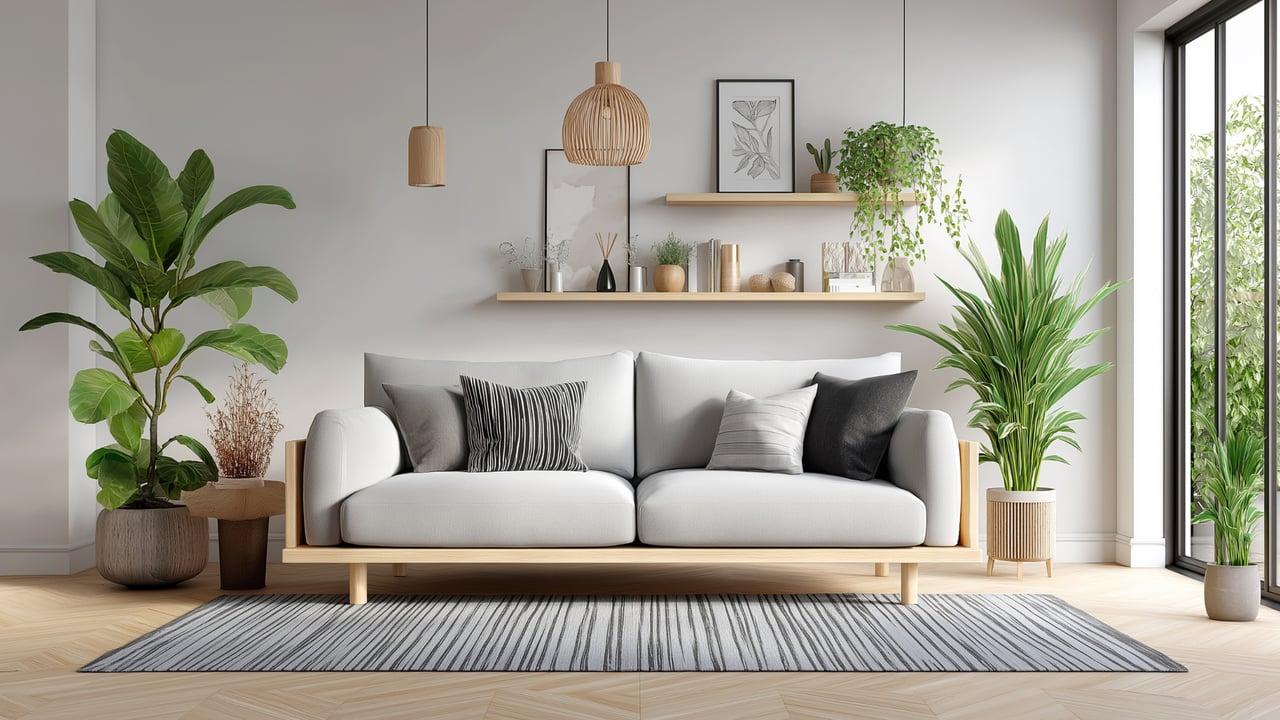
Home staging is the process of preparing and arranging a home to make it more appealing to potential buyers. This can include cleaning, decluttering, rearranging furniture, and sometimes adding decor or rented furniture to highlight the home’s best features.
When people ask what is home staging, the simplest answer is that it is about showing a home in a way that helps buyers imagine themselves living there. It focuses on creating a neutral and welcoming environment rather than reflecting personal style.
Even small changes such as better lighting or removing clutter can make a noticeable difference in how a home feels.
Why Home Staging Matters
Home staging matters because first impressions are extremely important in real estate. Buyers often decide how they feel about a home within minutes of entering.
- Data from the National Association of Realtors shows that staging has a measurable impact on buyer perception. About 83 percent of buyers agents say staging makes it easier for buyers to visualize the home as their future space, and 60 percent report that staging affects buyers views of a property in at least some cases.
- Staging can also influence financial outcomes. Nearly 29 percent of agents reported that staged homes received offers 1 to 10 percent higher than similar unstaged homes, and about 30 percent noted that staged homes spend less time on the market.
A well staged home can feel more open, more organized, and more move in ready. It highlights the strengths of the property while reducing distractions. Because of this, staged homes often attract more interest and stronger buyer engagement.
Real World Examples
To better understand what is home staging, here are two common situations.
- Example #1: Competing Homes
- Two similar homes are listed in the same neighborhood at the same price.
- One is clean, decluttered, and arranged to feel open and inviting. The other is cluttered or empty.
- Most buyers respond better to the staged home because it feels easier to connect with and imagine living in.
- Example #2: A Home That Is Not Selling
- A home has been on the market for several weeks with little interest.
- The seller improves presentation by removing clutter, rearranging furniture, and updating the listing photos. After these changes, the home begins to attract more attention and showings.
- This shows how presentation alone can change buyer perception.
Common Misconceptions About Home Staging
Many people misunderstand what is home staging, and these misconceptions can prevent sellers from using it effectively or seeing its full value.
- Misconception 1: Home staging is only for luxury or high end homes
- One of the most common beliefs is that home staging is only necessary for expensive or luxury properties. In reality, staging can be even more important for mid range or entry level homes because those buyers are often comparing multiple listings very quickly. A well staged home can help a property stand out in a crowded market, regardless of price point.
- Misconception 2: Home staging is too expensive to be worth it
- Many sellers assume staging requires hiring professionals and buying new furniture, which can feel costly. While professional staging is an option, it is not the only one. Most effective staging starts with free or low cost changes like decluttering, deep cleaning, removing personal items, and rearranging existing furniture. These simple steps often create a strong impact without a large budget.
- Misconception 3: Home staging means hiding flaws or misleading buyers
- Some people think staging is about covering up problems or misrepresenting a home. In reality, ethical home staging does the opposite. It does not hide structural issues or major defects. Instead, it highlights the home’s strengths and helps buyers see the potential of each space without being distracted by clutter or awkward layouts.
- Misconception 4: Home staging is the same as decorating
- Decorating is based on personal taste, style, and personality. Home staging is strategic and market driven. The goal is not to express who lives in the home, but to appeal to as many potential buyers as possible. This often means neutral colors, simplified layouts, and removing highly personal items so buyers can picture themselves in the space.
- Misconception 5: Once a home is staged, nothing else matters
- Staging is powerful, but it is not a replacement for pricing strategy, location, or condition of the home. It works best as part of a larger selling strategy. Even a beautifully staged home still needs correct pricing and good marketing to attract serious buyers.
Summary
Home staging is the process of preparing a home to attract potential buyers. If you were searching what is home staging, it refers to creating a clean, neutral, and inviting space that helps buyers imagine themselves living there.
We covered why home staging matters, how it affects buyer perception, and real world examples of its impact. We also explored deeper misconceptions that often lead sellers to underestimate its value or misunderstand its purpose.
If you are planning to sell your home, understanding what is home staging can help you make smarter decisions about presentation. Even small improvements can make a meaningful difference in buyer interest.
Working with a real estate professional can help you apply home staging strategies effectively and improve your chances of a faster sale.