Sometimes a home doesn't need a renovation. It just needs a refresh.
After living in the same space for a while, it's easy to stop noticing the little things. The paint you've looked at for years starts feeling dated. Furniture stays in the same arrangement because that's where it's always been. Closets slowly fill up. Decorations accumulate. Before long, a home that once felt fresh can start feeling a little tired.
The natural reaction might be to start thinking about renovations.
New flooring. New cabinets. A remodeled bathroom. Maybe even knocking down a wall.
Those projects can certainly transform a home, but they also come with larger budgets, longer timelines, and considerably more disruption.
Before committing to a major renovation, consider what could be accomplished with smaller changes.
Here are ten ways to give your home a noticeably different look without completely remodeling it.
1. Start With a Fresh Coat of Paint
Few home projects provide as much visual impact for the effort as paint.
A room can feel completely different simply by changing the walls.
If your current colors are dark, introducing a lighter shade can make the space feel brighter and more open. If everything is already neutral, adding a little warmth or contrast can give the room more personality.
You don't necessarily have to repaint every wall, either.
Consider refreshing:
- Interior doors
- Baseboards and trim
- Bathroom vanities
- Built-in shelving
- A fireplace surround
- An entryway
- A single accent area
Even repainting walls in a similar color can make a noticeable difference if the existing paint has accumulated scratches, fading, or marks over the years.
Before choosing a color, test it in the actual room. Paint can look dramatically different depending on natural light, artificial lighting, flooring, and surrounding furniture.
Look at your sample during the morning, afternoon, and evening before making a final decision.
2. Replace Outdated Hardware
Sometimes the cabinets aren't actually the problem.
The hardware is.
Cabinet pulls, drawer handles, door knobs, hinges, and other small details can influence the overall appearance of a room more than homeowners realize.
Replacing older hardware is particularly effective in kitchens and bathrooms where there may be dozens of matching pieces.
A dated vanity, for example, can take on a completely different appearance with new hardware, updated lighting, and a fresh coat of paint.
The same principle applies throughout the house.
Look at:
- Kitchen cabinets
- Bathroom vanities
- Interior doors
- Closet doors
- Built-ins
- Furniture
- Entry doors
Before purchasing replacement hardware, measure the existing pieces carefully. Using the same hole spacing can make installation significantly easier and may prevent the need for patching or drilling.
It's a relatively small detail, but when repeated throughout a room, it can create a much more polished appearance.
3. Rethink Your Lighting
Lighting affects nearly everything about how a room feels.
A beautiful space can still feel cold or uninviting when the lighting isn't right.
Start by evaluating the fixtures themselves.
If an older chandelier, ceiling fan, bathroom fixture, or pendant light is making the room feel dated, replacing it can provide an immediate visual update.
Then consider the actual light throughout the space.
Most rooms benefit from having multiple sources instead of relying exclusively on one overhead fixture.
Think in terms of layers.
Ambient lighting provides general illumination. Task lighting helps with specific activities such as cooking or reading. Accent lighting adds warmth and highlights particular areas.
A living room might combine an overhead fixture with a floor lamp and smaller table lamp. A kitchen could use ceiling lighting alongside under-cabinet lights.
Don't overlook the bulbs themselves, either. Inconsistent color temperatures from one fixture to another can make a room feel disconnected.
Creating more intentional lighting can change the atmosphere without changing anything structural.
4. Rearrange the Furniture You Already Own
One of the cheapest ways to redesign a room costs absolutely nothing.
Move the furniture.
It's surprisingly common for furniture to stay in the same place for years simply because that's where it was originally placed.
Try looking at the room again without assuming the current layout is permanent.
Could the sofa face a different direction?
Would moving a chair create a better conversation area?
Is there too much furniture in the room?
Could a piece from another part of the house work better here?
Think about how people actually move through the space. There should be comfortable pathways between major areas without having to navigate around oversized furniture.
Also consider the room's natural focal point.
That might be a fireplace, large window, television, artwork, or architectural feature. Arrange furniture in a way that acknowledges that focal point rather than competing with it.
Sometimes removing one piece of furniture improves a room more than adding something new.
5. Declutter Before You Decorate
Before buying more décor, consider removing some of what you already have.
Clutter has a way of building gradually.
Mail collects on counters. Closets fill with things that aren't used anymore. Shelves become crowded. Kitchen cabinets accumulate duplicate items. Furniture surfaces slowly become storage areas.
When too many things compete for attention, even a large room can begin to feel smaller.
Go through your home one area at a time rather than trying to organize everything in one weekend.
Start somewhere manageable:
A kitchen drawer.
One closet.
The bathroom vanity.
A bookshelf.
The entryway.
Decide what you actually use and enjoy, then donate, sell, recycle, relocate, or discard the rest appropriately.
Once unnecessary items are gone, you may discover that your home doesn't need nearly as much updating as you originally thought.
Sometimes what makes a room feel fresh isn't what you add.
It's what you remove.
6. Introduce New Textures and Fabrics
Soft furnishings are another relatively easy way to change a room without committing to permanent renovations.
Consider updating:
- Throw pillows
- Blankets
- Area rugs
- Curtains
- Bedding
- Towels
- Table linens
These elements give you an opportunity to introduce color, texture, and pattern without changing the larger features of the house.
Instead of trying to make everything match perfectly, look for pieces that complement each other.
A room filled entirely with smooth surfaces can feel flat. Adding materials such as wood, linen, wool, leather, woven fibers, or other natural textures can create more visual depth.
Seasonal changes work particularly well here.
As Michigan moves from summer into fall, lightweight fabrics can gradually be paired with warmer textures and deeper tones.
You don't need to redesign the entire room every season. A few intentional changes can create the effect.
7. Give Your Walls More Personality
Blank walls can make a finished home feel unfinished.
That doesn't mean every wall needs something hanging on it.
Instead, identify a few places where artwork or another visual element could make the space feel more intentional.
You might introduce:
- Framed artwork
- Photography
- Mirrors
- Floating shelves
- A gallery wall
- Decorative objects
- Personal photographs
Mirrors can be particularly useful in smaller or darker rooms because they reflect light and can create a greater sense of depth.
When hanging artwork, think about scale.
One tiny frame floating above a large sofa may feel out of proportion, while a larger piece or carefully arranged collection can better anchor the space.
And don't feel pressured to fill your home with generic decorations simply because they're trendy.
Your home should reflect the people who actually live there.
Family photographs, travel memories, local artwork, books, collected pieces, and meaningful objects often create far more personality than decorations selected simply to fill empty space.
8. Bring Some Life Into the Room
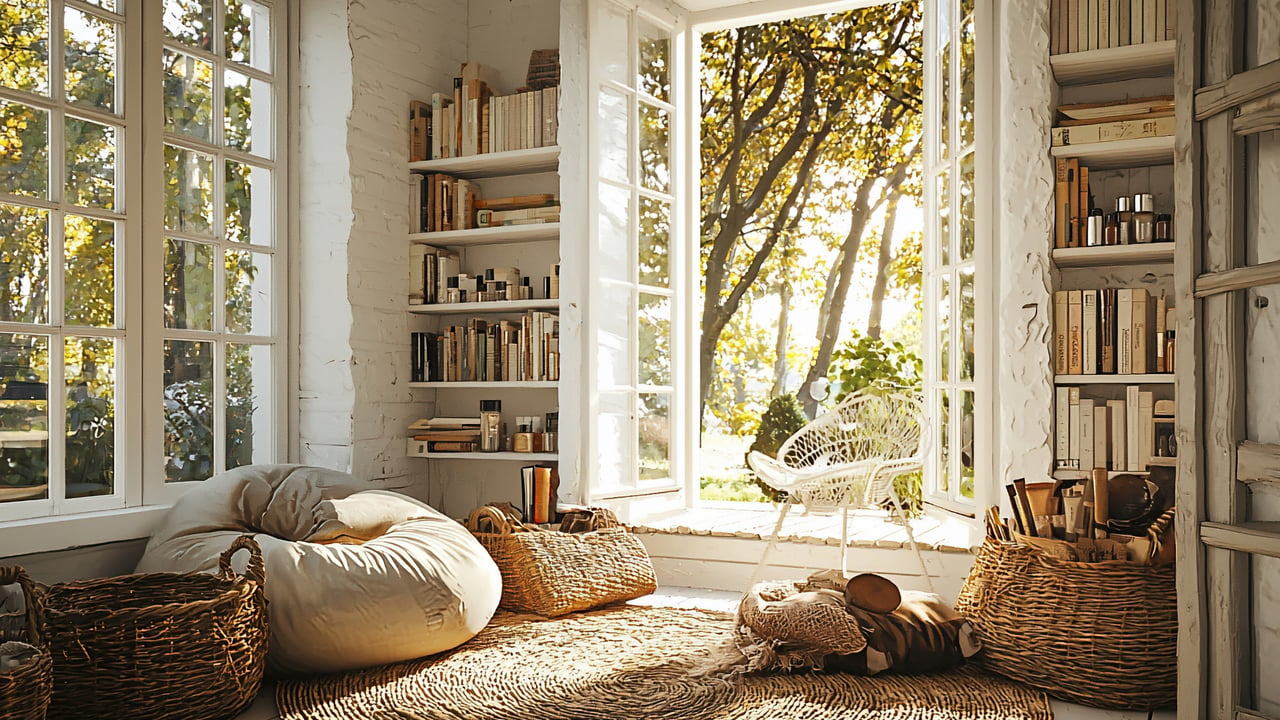
Plants can change the character of a room almost immediately.
Greenery introduces natural color, texture, and shape, particularly in homes dominated by neutral finishes.
You don't need to turn your living room into a greenhouse.
One larger floor plant can fill an empty corner. Smaller plants can work well on shelves, desks, kitchen counters, or bathroom vanities where conditions are appropriate.
The important thing is choosing plants that realistically match your home and lifestyle.
Consider how much natural light the room receives and how much maintenance you're willing to provide.
If keeping plants alive isn't your specialty, there are plenty of lower-maintenance options. High-quality artificial greenery can also provide a similar decorative effect when living plants aren't practical.
9. Refresh the Kitchen and Bathroom Without Replacing Everything
Kitchens and bathrooms are usually the first rooms people think about renovating.
They're also among the most expensive.
Before replacing everything, identify exactly what's making the room feel dated.
Sometimes it's one dominant feature rather than the entire space.
You might be able to make a noticeable improvement by changing:
- Cabinet hardware
- Faucets
- Mirrors
- Lighting
- Paint
- Shower curtains
- Towels
- Countertop accessories
- Open shelving décor
In a bathroom, replacing an outdated mirror and light fixture can dramatically change the appearance of the vanity area.
In the kitchen, simply clearing unnecessary appliances and objects from the countertops can make the room feel larger and cleaner.
If your cabinets are structurally sound but visually dated, painting or refinishing them may be worth exploring before replacing them entirely.
The goal is to determine what actually needs changing instead of assuming everything does.
10. Don't Forget About the Outside
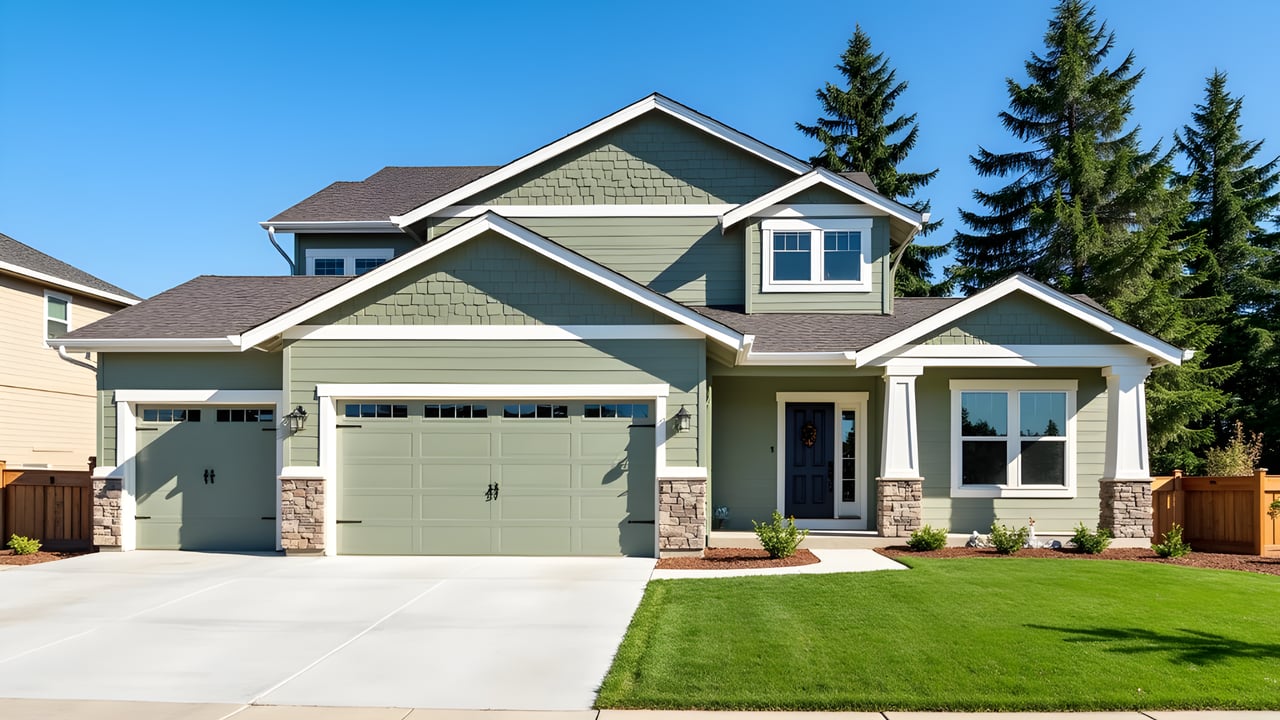
Refreshing your home shouldn't stop at the front door.
The exterior creates the first impression every time you arrive home—and it's the first thing visitors or potential buyers see.
Fortunately, improving curb appeal doesn't necessarily require expensive landscaping.
Start by cleaning things up.
Trim overgrown shrubs. Pull weeds. Edge walkways. Remove dead plants. Sweep the porch. Clean exterior light fixtures.
Then look for simple opportunities to add character.
Depending on your home, that could mean:
- Fresh mulch
- New planters
- Seasonal flowers
- Updated house numbers
- A new mailbox
- An updated porch light
- A fresh welcome mat
- Outdoor seating
- Touching up exterior paint
Pay particular attention to the front entrance.
A clean, welcoming entry can make the entire property feel better maintained.
Decide What Actually Needs Changing
It's easy to scroll through home inspiration online and suddenly feel like everything in your house needs to be replaced.
It probably doesn't.
Trends move quickly. A kitchen that's considered dated today may contain materials that become desirable again a few years from now.
Instead of designing exclusively around what's popular at the moment, think about what bothers you about your current space.
Is it too dark?
Too cluttered?
Difficult to use?
Lacking personality?
Does the furniture layout feel awkward?
Are finishes genuinely worn out, or are you simply tired of looking at them?
Identifying the actual problem helps you spend money where it will make the biggest difference.
Refreshing Your Home Before Selling
These smaller improvements can be especially useful if you're considering selling.
Homeowners sometimes assume they need to complete major renovations before putting a property on the market.
That isn't always the case.
Depending on the home and local market, smaller improvements may provide a more practical approach.
Fresh paint, repaired trim, updated lighting, clean landscaping, decluttered rooms, and a deep cleaning can help buyers focus on the home's features instead of a list of small projects they'll need to complete after moving in.
It's also important to remember that sellers don't always recover every dollar spent on renovations.
Before investing heavily in a kitchen, bathroom, flooring, or another major project specifically for resale, it can be helpful to understand what buyers in your particular market actually expect.
Sometimes the best improvement is surprisingly simple.
And sometimes the best decision is leaving something alone.
You Don't Have to Renovate to Love Your Home Again
A home naturally changes over time.
Your needs change. Your style changes. Families grow. Furniture moves in and out. Rooms begin serving purposes they weren't originally designed for.
That doesn't necessarily mean the house needs a complete transformation.
Start small.
Choose the room that bothers you the most and identify why it isn't working. Remove what doesn't belong, rearrange what you already have, and then decide what genuinely needs to be purchased or changed.
You might be surprised by how different your home feels after a weekend of relatively simple projects.
And if you're making improvements because you're considering selling your home, it's worth having a strategy before starting major projects. Understanding which updates buyers are likely to notice—and which ones may not make much difference—can help you spend your time and money where they matter most.