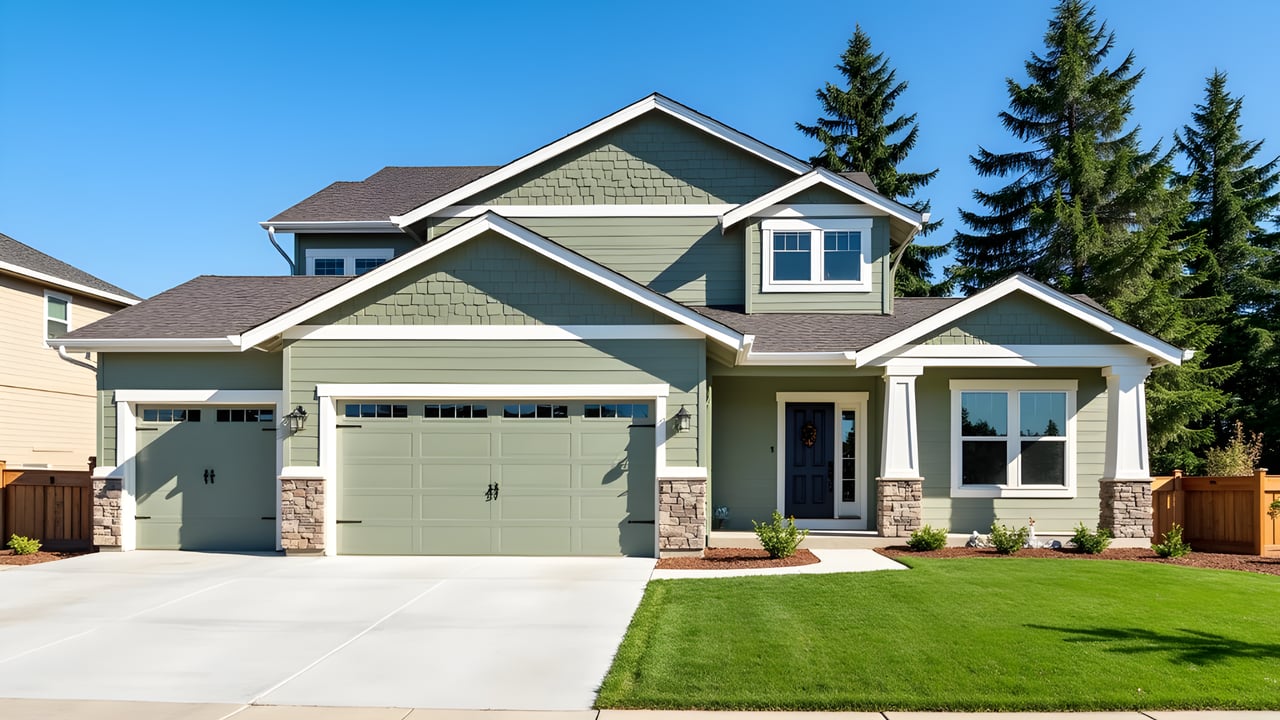
Buying your first home is exciting. You get to picture where you'll put your furniture, imagine hosting friends and family, and finally have a place to call your own.
But buying a home is also one of the biggest financial decisions you'll make.
There are mortgages, inspections, appraisals, closing costs, contracts, negotiations, and plenty of deadlines to keep track of. And because most people only buy a few homes throughout their lifetime, it's completely normal to feel like you're learning as you go.
The good news? Many of the biggest first-time homebuyer mistakes are avoidable.
By understanding what to watch out for before you start shopping, you can enter the process more prepared and potentially avoid unnecessary stress, expenses, and surprises.
1. Starting Your Home Search Before Getting Pre-Approved
It's easy to open a real estate app, start scrolling through listings, and immediately fall in love with a home.
The problem is that you may be looking at homes that don't actually fit your budget.
Getting pre-approved with a lender before seriously shopping can give you a better understanding of how much you may be able to borrow based on factors such as your income, credit, debts, and financial history. It can also help you understand what your potential monthly payment could look like.
And when you're ready to make an offer, having a pre-approval can give the seller more confidence that you're financially prepared to purchase the home.
2. Looking Only at the Purchase Price
One of the easiest mistakes to make is assuming the listing price tells you what the home will actually cost.
For example, a $350,000 home doesn't necessarily mean you're only spending $350,000.
Homeownership can also include:
- Down payment
- Closing costs
- Property taxes
- Homeowners insurance
- Mortgage insurance, if applicable
- Utilities
- Maintenance
- Repairs
- Other ongoing expenses
Two homes with the same purchase price can have very different costs of ownership.
One might have lower property taxes and newer mechanical systems, while another could have an aging roof, higher insurance costs, or significant maintenance needs.
Affordability should be based on the total cost of owning the home—not just the purchase price.
3. Using Every Dollar You Have for the Down Payment
Saving for a down payment is a major accomplishment, especially for a first-time buyer.
But there's a temptation to put every dollar you've saved into the purchase.
That can leave you with very little money after closing.
Once you own the home, you may need money for moving expenses, furniture, appliances, repairs, maintenance, or unexpected problems.
Homeownership comes with expenses that renters don't always experience, which is why maintaining an emergency fund is so important.
4. Skipping the Home Inspection
When you're competing against other buyers, you may feel pressure to make your offer as attractive as possible.
That can sometimes lead buyers to consider waiving an inspection.
But an inspection can provide valuable information about the condition of the property.
An inspector may identify potential issues involving:
- Roof
- Foundation
- Plumbing
- Electrical systems
- HVAC
- Structure
- Moisture
- Other components of the home
An inspection doesn't guarantee that a home will never have problems. Instead, it gives you another opportunity to understand what you're buying before you commit.
5. Letting Emotions Control the Purchase
Buying a home is emotional.
You walk through the front door and suddenly you're imagining your furniture in the living room. You picture your family eating dinner in the kitchen. You imagine summer evenings in the backyard.
That's completely normal.
The problem comes when excitement starts influencing financial decisions.
Competition can make this even harder. If you find your dream home and hear that there are multiple offers, you may feel pressure to increase your offer simply because you don't want to lose the property.
Before making an offer, know your financial limits and the compromises you're willing to make.
The goal isn't simply to win the house. It's to purchase a home you can comfortably afford for the long term.
6. Forgetting to Research the Neighborhood
When you're focused on finding the right house, it's easy to forget that you're also buying into a neighborhood.
A beautiful home may not be the right fit if the surrounding area doesn't meet your needs.
Before making an offer, consider things like:
- Commute and accessibility
- Schools and school districts
- Nearby shopping and restaurants
- Parks and recreation
- Public transportation
- Future development
- Property taxes
- Noise and traffic
- Overall neighborhood condition
- Potential resale considerations
And don't just visit once.
Try seeing the neighborhood at different times of day. A street that seems quiet on a Saturday afternoon could feel very different during weekday rush hour or in the evening.
7. Making Major Financial Changes Before Closing
Getting your offer accepted is exciting, but you're not quite finished yet.
Until you close, it's important to be thoughtful about your finances.
Buying a new car, opening a new credit card, making a large purchase, changing jobs, or taking on significant debt could potentially affect your mortgage approval.
Even after you've been pre-approved, your lender may review your finances again before closing.
That's why it's important to communicate with your lender before making major financial decisions during the buying process.
8. Not Understanding the Contract
A purchase agreement is much more than a document showing how much you're paying for the house.
It contains deadlines, responsibilities, contingencies, and conditions that can affect your transaction.
First-time buyers should understand important terms such as:
- Inspection period
- Financing contingency
- Appraisal contingency
- Earnest money
- Closing date
- Other contract deadlines and conditions
And never assume something is included simply because you expect it to be.
If there's something in the contract you don't understand, ask your real estate professional to explain it before moving forward.
9. Forgetting About Your Future
It's easy to think only about whether you love the home today.
But buying a home is often a long-term decision.
Think about how your life could change over the next several years.
Maybe your job changes. Maybe you start working from home. Maybe you get married, have children, need additional space, or eventually decide to move.
You don't have to predict your future perfectly.
Instead, consider whether the home can reasonably accommodate the changes you expect.
10. Trying to Do Everything Alone
As a first-time buyer, you aren't expected to know everything.
There are a lot of moving parts in a real estate transaction, including lenders, real estate agents, inspectors, appraisers, title professionals, insurance companies, and others.
Trying to navigate every part of the process without asking questions can lead to missed details and unnecessary stress.
A good professional team should help you understand what happens next, which deadlines matter, and what decisions you need to make.
Being a first-time buyer doesn't mean you're expected to know everything. It means you should be willing to ask questions and use the resources available to you.
Final Thoughts
Buying your first home doesn't have to be overwhelming.
You don't need to know everything before you start. But you do want to understand your finances, ask questions, and make decisions based on facts rather than pressure.
The biggest mistakes to avoid are:
- Shopping seriously before understanding your financing
- Focusing only on the purchase price
- Draining your savings for the down payment
- Overlooking the importance of an inspection
- Letting emotions push you beyond your budget
- Ignoring the neighborhood
- Making major financial changes before closing
- Signing contracts without understanding the terms
- Forgetting about your future needs
- Being afraid to ask for help
The goal isn't to make the perfect decision at every step.
It's to be prepared enough to recognize the important decisions when they come up.
If you're thinking about buying your first home, start by organizing your finances, talking with a lender, and connecting with a real estate professional who can walk you through the process.
The more prepared you are before making an offer, the fewer surprises you're likely to encounter along the way.
Buying your first home should be exciting—not something you look back on and wish you had handled differently.