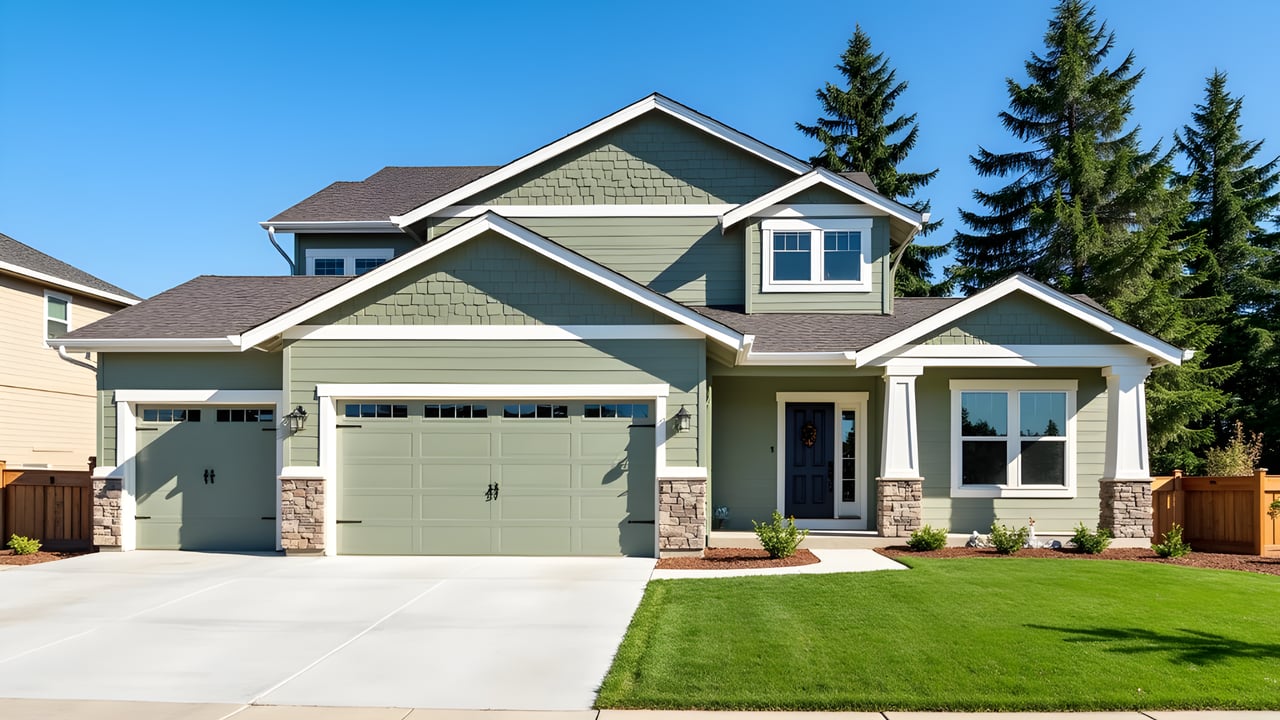
Two similar homes can go on the market in the same neighborhood at nearly the same time and have completely different results.
One receives steady showing requests as soon as it is listed. By the end of the first weekend, several buyers are interested and an offer is accepted. The other receives a few showings but no serious offers. Weeks pass, the seller reduces the price, and the property remains available.
The difference isn't always the house itself.
How quickly a home sells is usually the result of several factors working together, including price, condition, presentation, marketing, showing availability, location, and current buyer demand. A home doesn't necessarily need a brand-new kitchen or expensive renovations to sell quickly. It needs to be positioned well compared with the other properties buyers can choose from.
For sellers, this makes the period before the listing goes live especially important. Decisions about pricing, repairs, photography, staging, and marketing can influence how buyers respond from the moment they first see the property online.
Understanding what drives that response can help sellers avoid preventable mistakes and build a stronger strategy from day one.
The Price Makes Sense to Buyers
One of the biggest factors affecting how quickly a home sells is its price.
Today's buyers have access to a large amount of information before they ever schedule a showing. They can compare active listings, see recently sold properties, monitor price reductions, and watch homes enter and leave the market. Buyers who have been searching for several months may become especially familiar with what their budget typically buys.
Imagine recent comparable homes have been selling around $400,000. A seller decides to list at $450,000 because they want extra room to negotiate. From the seller's perspective, the higher price is simply a starting point. Buyers may see it differently.
Instead of thinking, "I'll offer $400,000," they may decide the property isn't competitively priced and focus on other homes.
This is why pricing isn't simply about choosing the highest amount you hope to receive. It's about positioning the home where buyers see enough value to schedule a showing and potentially make an offer.
The First Few Weeks Create an Important Opportunity
A new listing has something an older listing doesn't: fresh attention.
Buyers actively searching in the area may receive an alert when the property is listed. Real estate agents see a new option for their clients. Buyers who have already toured everything available suddenly have another property to consider.
That can create a valuable period of exposure.
If the home is priced appropriately and presented well, that early attention may turn into showings and offers. If the home enters the market overpriced, poorly prepared, or with weak photography, some of that initial interest can be lost.
As the listing gets older, buyer perception can begin to change. Someone seeing a property on its first day may worry that another buyer will purchase it. The same person seeing it after two months may instead wonder why nobody has purchased it yet.
Nothing about the physical property necessarily changed. The way buyers perceive the listing did.
That's why the goal should be to have the home ready before it reaches the market rather than using the first several weeks to figure out pricing and presentation.
The Home Feels Well Maintained
A home doesn't need to be fully renovated to attract buyers, but its condition can influence how confident buyers feel about purchasing it.
Peeling paint, broken fixtures, damaged flooring, water stains, overgrown landscaping, unfinished projects, strong odors, and visible deferred maintenance can create questions. One small issue may not matter much. Several together can make buyers wonder what other problems they haven't noticed.
Consider an older home with a kitchen that hasn't been remodeled recently. If the property is clean, the major systems have been cared for, the landscaping is maintained, and repairs have been addressed, buyers may still see considerable value.
Compare that with a newer-looking property containing several unfinished projects and obvious maintenance concerns. Even though it may have more modern finishes, buyers could view it as the riskier purchase.
Preparing a home for sale isn't necessarily about making everything new. It's about removing unnecessary reasons for buyers to hesitate.
The Online Listing Gets Buyers Through the Door
For many buyers, their first showing happens online.
Before scheduling an appointment, buyers may scroll through photographs, read the property description, review the layout, look at the surrounding area, and compare the home with several other listings.
If the online presentation doesn't create interest, the buyer may never visit the property.
Dark photographs can make rooms appear smaller. Clutter can distract from the features you're trying to highlight. Missing photographs can leave buyers wondering what's being left out. A vague description may fail to explain improvements or features that separate the home from competing properties.
Strong real estate photography should help someone understand the home before they arrive. Buyers should be able to see the layout, important features, outdoor spaces, room proportions, and characteristics that make the property different.
Marketing cannot make an overpriced property a good value, but poor marketing can prevent buyers from recognizing the value of a well-priced home.
Buyers Can Understand How the Space Works
Presentation goes beyond photography. Once buyers enter the property, they need to understand how they could actually use the space.
That's where staging can help.
Staging doesn't necessarily mean removing all of your furniture and hiring a company to completely redesign the house. It can be as simple as decluttering, rearranging furniture, improving lighting, simplifying decorations, and giving each room a clear purpose.
Imagine a spare bedroom being used primarily for storage. Boxes fill the floor and extra furniture makes the room feel small. Buyers technically know it's a bedroom, but they may have difficulty understanding how much usable space it offers.
Remove the boxes and excess furniture and set the room up as a simple office or bedroom. The square footage hasn't changed, but buyers can now see how the room might work for them.
Good presentation helps buyers focus on the property instead of the seller's belongings.
The Home Competes Well With Similar Properties
Sellers sometimes compare their home with every property selling quickly around them. A more useful comparison is usually the homes competing for the same buyers.
A $300,000 starter home and a $900,000 luxury property may be located only a few miles apart, but their potential buyer pools can be very different. The same applies to condominiums, rural properties, new construction, waterfront homes, and properties in specific school districts or neighborhoods.
Location also influences demand. Access to employment, shopping, parks, transportation, recreation, and other amenities may make some areas attractive to a larger number of buyers.
Because location can't be changed, sellers need to understand how their property's location affects its position within the market. The goal isn't necessarily to sell as quickly as the fastest-selling home in the city. It's to compete effectively with the properties buyers are realistically comparing with yours.
The Selling Strategy Matches the Current Market
A strategy that worked several years ago may not produce the same results today.
When inventory is extremely limited and many buyers are competing for relatively few properties, homes may sell quickly even when they have imperfections. Buyers have fewer alternatives and may need to make decisions quickly.
As inventory grows, buyers can become more selective. A buyer choosing between ten suitable homes can pay closer attention to price, condition, features, and seller concessions than someone choosing between only two.
This makes current market conditions an important part of the selling strategy.
Sellers should look at what comparable properties are doing now. How many similar homes are available? How long are they taking to sell? Are sellers reducing prices? Are homes selling close to their asking prices? What options do buyers have in the same price range?
Your competition isn't the home that sold three years ago under completely different conditions. It's the homes today's buyers can purchase instead of yours.
Buyers Can Actually See the Property
Sometimes a home struggles for a surprisingly simple reason: buyers have difficulty getting inside.
Most serious buyers are balancing work, family, travel, and other responsibilities while trying to tour properties. If showing availability is extremely limited or appointments require several days of notice, some buyers may move on to another option.
This can matter even more shortly after the property is listed, when buyer interest may be strongest.
That doesn't mean sellers need to accept showings at every hour or make the selling process unnecessarily disruptive. Reasonable boundaries are still important. But creating as much flexibility as practical gives qualified buyers more opportunities to experience the home.
Every missed showing is potentially a buyer who never had the opportunity to decide whether the property was right for them.
What Happens When a Home Sits on the Market?
Longer market time doesn't automatically mean there's something wrong with a house. However, it can affect how buyers approach the listing.
Suppose a property should reasonably sell around $400,000, but the seller initially lists it for $440,000. The first group of buyers sees the home but considers it overpriced. Several weeks later, the seller reduces the price to $425,000. Eventually, the price reaches $400,000.
The home may now be appropriately priced, but the situation isn't identical to listing at $400,000 from the beginning.
Some buyers who were originally interested may have already purchased another property. Others may have watched several price reductions and assume the seller will reduce the price again. New buyers may notice the extended days on market and approach negotiations differently.
This is one reason simply saying, "We can always lower the price later," can be risky. A price adjustment may help, but it doesn't necessarily recreate the attention and urgency that existed when the listing was brand new.
A Practical Example: Two Similar Homes, Two Different Results
Consider two three-bedroom, two-bathroom homes of approximately 1,800 square feet in the same neighborhood. Recent comparable sales indicate values around $375,000.
The first seller lists at $374,900. Before going live, they address obvious repairs, declutter the rooms, improve the landscaping, clean thoroughly, and prepare the home for professional photography. The property is also reasonably accessible for showings.
Buyers searching in that price range see a home that appears competitive with recent sales and well cared for. The listing generates significant activity during its first weekend and receives multiple offers.
The second seller owns a similar property but lists at $410,000 because they want room to negotiate. They haven't spent much time preparing the house, and the photographs make several rooms appear dark and cluttered.
Buyers aren't necessarily rejecting the second home because it's a bad property. They're comparing the two options and deciding that the first offers better value.
Several weeks later, the second seller reduces the price.
The difference between the results wasn't necessarily the number of bedrooms, square footage, or neighborhood. It was how each property was positioned when buyers first encountered it.
Common Mistakes That Can Cause a Home to Sit
One common mistake is assuming that starting high is harmless because the price can always be reduced later. While reductions can generate new interest, they don't guarantee that the listing will regain the momentum it had when it first entered the market.
Another mistake is assuming a great home will sell itself. A desirable property certainly has an advantage, but buyers still need to discover it, understand what makes it valuable, and be motivated enough to schedule a showing.
Sellers can also mistakenly believe that the highest asking price will lead to the highest sale price. The two aren't necessarily connected. An ambitious asking price that discourages buyers may produce less leverage than a well-positioned price that creates stronger demand.
The objective isn't simply to put the biggest possible number on the listing. It's to create a situation where qualified buyers see enough value to take action.
How to Position Your Home Before Listing
A successful launch begins before the listing is published.
Start by reviewing recent comparable sales and understanding the properties currently competing for buyers in your price range. Use that information to develop a pricing strategy grounded in current market conditions rather than what another seller received years ago or what you hope the property might be worth.
Next, evaluate the home from a buyer's perspective. Address visible maintenance concerns, reduce clutter, improve curb appeal, clean thoroughly, and make sure each major room has a clear purpose. Complete this work before photography whenever possible so the home's online presentation reflects its strongest condition.
Finally, have the marketing and showing plan ready before launch. Strong photography, complete property information, effective exposure, and reasonable showing availability should work together from the first day.
You can't control interest rates, change your home's location, or determine exactly how many buyers will be searching when you list. You can control how prepared your home is to compete for the buyers who are available.
Final Thoughts
There isn't one secret that makes a home sell in three days instead of three months.
Homes tend to sell more successfully when several pieces align: the price reflects the market, the property feels well maintained, the presentation helps buyers understand its value, the marketing reaches the right audience, and buyers can conveniently experience the home.
Location and market conditions will always influence the outcome, and even a strong selling strategy can't guarantee a specific number of days on market. But sellers can control many of the factors that determine how their property competes.
That's why preparation shouldn't begin after a listing has been sitting for several weeks. Ideally, pricing, repairs, presentation, photography, marketing, and showing plans are considered before the home ever reaches the market.
The goal isn't simply to sell as quickly as possible. It's to position the property effectively from the beginning so buyers have a compelling reason to choose it over the other homes available to them.